


 North America - EN
,fit=pad/globalassets/logos/kito/kito_brand_crop.png)
,fit=pad/contentassets/df70ce6ebb1e45bda867f458ffed9e71/harrington_color-logo_light-background_crop.png)
,fit=pad/globalassets/logos/stahl/new-by-cmco/stahl_color-10.11.svg)
,fit=pad/globalassets/logos/yale/new/yale-10.11.svg)
,fit=pad/contentassets/1f4eac3541654db5a396d6c67f7ce0fb/crosby_red_rgb.png)
,fit=pad/contentassets/aa99b2f703284295af4814e40a22bbfc/gunnebo-industries_color-logo_crop.png)
,fit=pad/contentassets/5cd5182b5c724d6199ff77c450920a56/eepos-logo2025_eeblue_crop.png)
,fit=pad/globalassets/logos/magnetek/new/magnetek_wide_color-10.11.svg)
,fit=pad/globalassets/logos/dorner/dorner_brand_crop.png)
,fit=pad/globalassets/logos/montrac/montrac-logo.png)
,fit=pad/globalassets/logos/pfaff/pfaff_color_cmyk_new.png)
,fit=pad/globalassets/logos/duff-norton/new/duff-norton_color-10.11.svg)
,fit=pad/globalassets/logos/garvey/new/garvey_color-10.11.svg)
,fit=pad/contentassets/1be5ec1cbb8e442392f10efd8b5b95a0/2-peerless_color-logo_light-background-crop.png)
,fit=pad/globalassets/logos/cm/new/cm_color-10.11.svg)
,fit=pad/globalassets/logos/acco_color-logo.png)
,fit=pad/globalassets/logos/shaw-box/shaw-box_brand_crop.png)
,fit=pad/globalassets/logos/unified/new/unified_color-10.11.svg)
,fit=pad/globalassets/logos/little-mule/new/little_mule_color-10.11.svg)
,fit=pad/globalassets/logos/erikkila/erikkila_brand_crop.png)
,fit=pad/globalassets/logos/steerman/new/steerman_color-10.11.svg)
,fit=pad/globalassets/logos/dixie/new/dixie_industries_color-10.11.svg)
,fit=pad/globalassets/brand-landing-pages/airpes/crosby-airpes-logo-2023-tall-web.png)
,fit=pad/globalassets/brand-landing-pages/van-leusden/van-leusden-logo.png)
,fit=pad/globalassets/logos/camlok/new/camlok-10.11.svg)
,fit=pad/globalassets/logos/nutting_color-logo.png)
,fit=pad/globalassets/logos/speedbinders/speedbinders_color-logo.png)
,fit=pad/globalassets/logos/scc/scc-logo3.png)
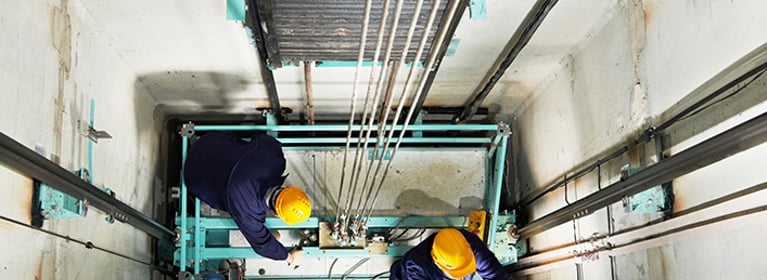
Elevator Repair vs. Modernization: Which Option Makes More Sense?
Should You Keep Repairing Your Elevator or Invest in Modernization?
Elevator | Inspection & Maintenance | Power & Motion Technology | By CMCO | Jan 01, 0001
Overview:
- The decision to repair or modernize your elevator system comes down to reactive or proactive maintenance.
- Repairs make sense if they are infrequent with readily available parts.
- Modernization is the better long-term value if equipment is near the end of its performance lifecycle or parts are obsolete.
When an elevator breaks down, repairing the failed component is often the obvious choice for a quick solution. But what happens when one repair turns into several, service calls become more frequent, downtime becomes more disruptive, and aging equipment continues creating new challenges?
While repairs can be an effective way to address isolated issues, continually fixing aging equipment can be costly and disruptive over time. Understanding when to continue repairing and when to modernize can help building owners make a more informed long-term decision.
What’s the Difference Between Repair and Modernization?
At its core, the decision between elevator repair and modernization comes down to
reactive versus proactive maintenance.
Repairs address problems after they occur, while modernization aims to reduce future issues by upgrading aging equipment before failures become more frequent and costly.
 When Repair Still Makes Sense
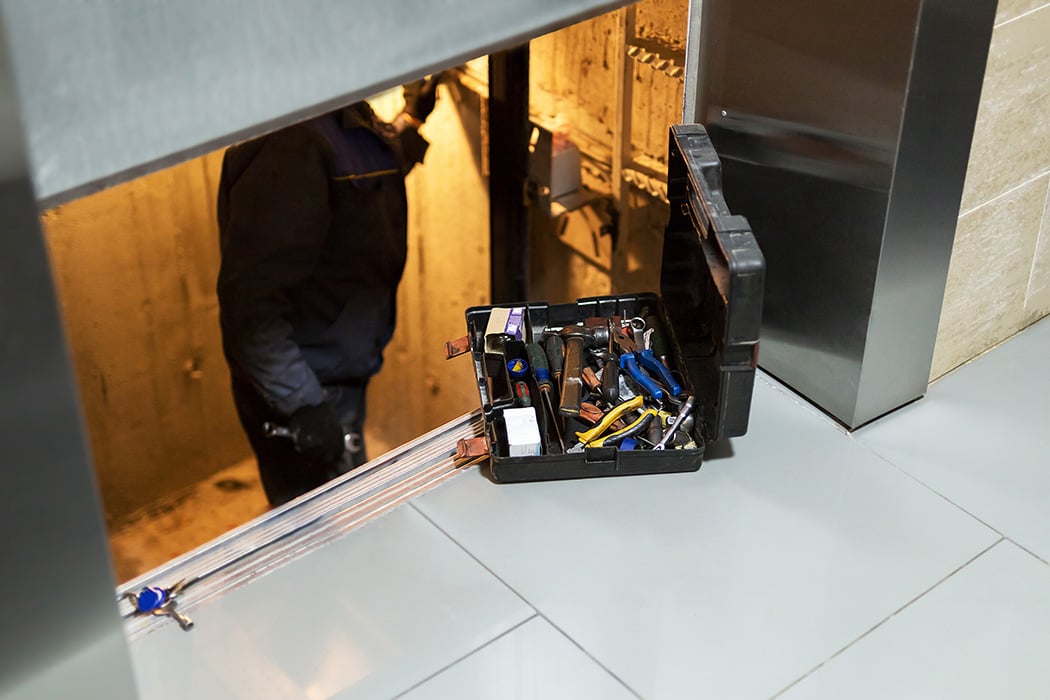
Not every elevator problem calls for modernization. When a specific issue arises and the system continues to operate reliably, repairs can be the most practical and economical solution to restore operation.
Repair is the better option when:
- Failures are infrequent
- Parts are readily available
- Maintenance costs are manageable
- Overall elevator performance is reliable
 Moving From Reactive Fixes to Proactive Upgrades
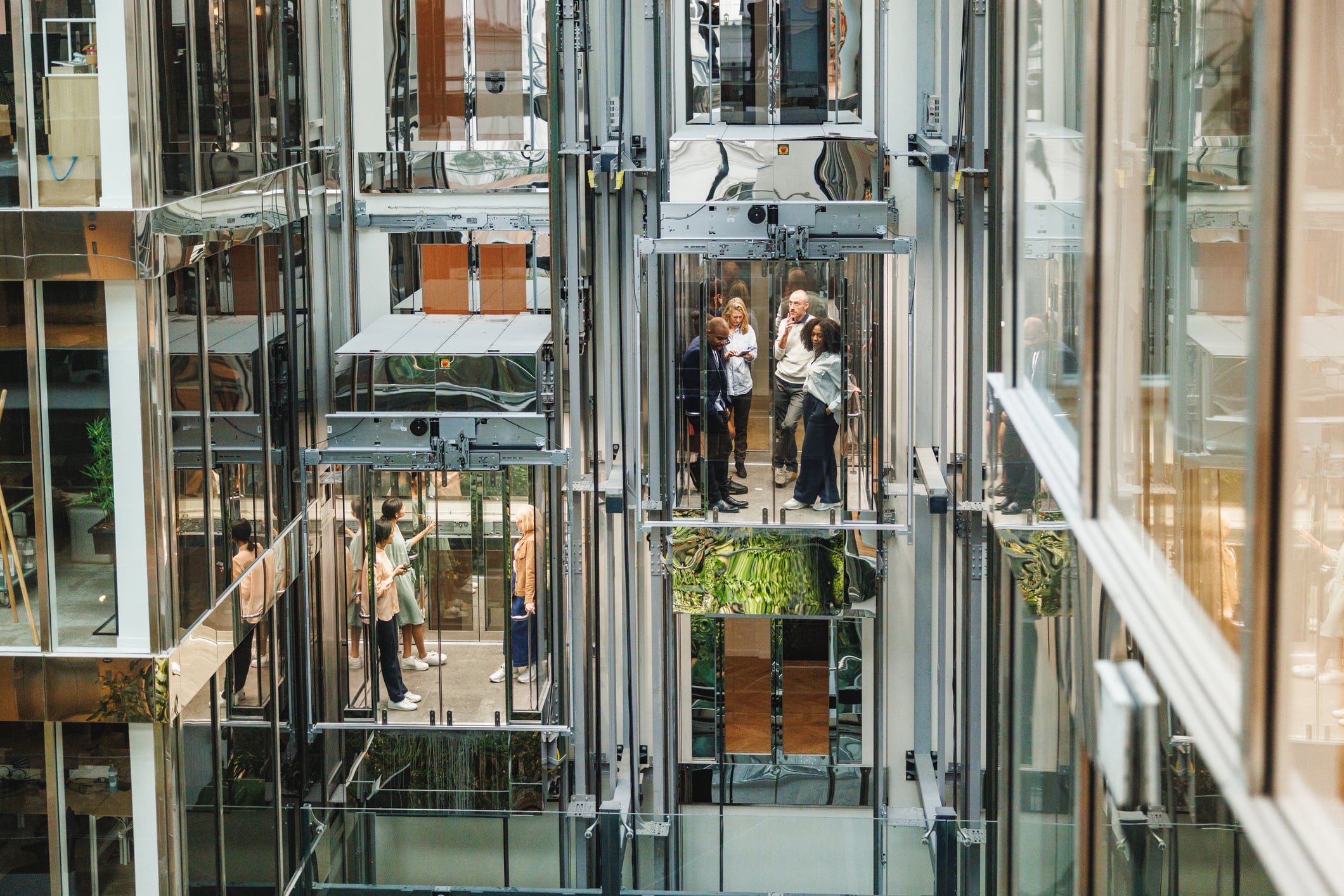
Modernization can be the better option when recurring repairs, rising costs, and aging equipment that is near the end of its reliable performance life is no longer addressing the larger issue.
- Modernization is the better option when:
- Repair costs keep increasing
- Downtime has become more frequent
- Parts are obsolete or hard to find
- Performance issues persist despite repairs
- The elevator equipment is approaching 25+ years of operation
Think of It Like Replacing an Old Car
Most car owners don’t replace a car because of one repair. They replace it when repair costs, reliability concerns, and ongoing headaches outweigh the cost of upgrading. Elevators are no different. When you’re spending more time and money reacting to failures than operating reliably, modernization may be the smarter long-term investment.
While a repair keeps an elevator running, Modernization with Magnetek® AC or DC Elevator Drives help ensure that the system continues to deliver reliable performance for years to come. By proactively replacing aging equipment before failures become frequent, building owners can reduce unplanned downtime, improve performance, and help ensure the elevator remains a dependable long-term investment in efficiency and operational continuity.
Related Articles

Can You Modernize an Elevator Without Replacing the Motor?
Improve Performance Without A Motor Replacement.
Around the 25-year mark, aging elevator systems often begin to present new challenges, making modernization a critical step toward extending service life and improving performance. One of the most common questions that emerges is whether it’s possible to modernize an elevator system without replacing the motor.
9 Signs Your Elevator Needs Replacing
How Do You Know When It’s Time to Replace Your Elevator Drive?
Elevator drives are built to deliver years of reliable performance, but like any critical system component, eventually reach the end of their life cycle. Knowing what to look for can help building owners address issues proactively to avoid costly repairs and reduce downtime.