


 North America - EN
,fit=pad/globalassets/logos/stahl/new-by-cmco/stahl_color-10.11.svg)
,fit=pad/globalassets/logos/cm/new/cm_color-10.11.svg)
,fit=pad/globalassets/logos/magnetek/new/magnetek_wide_color-10.11.svg)
,fit=pad/globalassets/logos/dorner/new/dorner_color-10.11.svg)
,fit=pad/globalassets/logos/garvey/new/garvey_color-10.11.svg)
,fit=pad/globalassets/logos/yale/new/yale-10.11.svg)
,fit=pad/globalassets/logos/duff-norton/new/duff-norton_color-10.11.svg)
,fit=pad/globalassets/logos/pfaff/new/pfaff_color-10.11.svg)
,fit=pad/globalassets/logos/coffing/new/coffing_hoists-10.11.svg)
,fit=pad/globalassets/logos/budgit/budgit-hoists-color.svg)
,fit=pad/globalassets/logos/unified/new/unified_color-10.11.svg)
,fit=pad/globalassets/logos/cm-et/cmet-color.svg)
,fit=pad/globalassets/logos/camlok/new/camlok-10.11.svg)
,fit=pad/globalassets/logos/chester/new/chester_hoist-10.11.svg)
,fit=pad/globalassets/logos/little-mule/new/little_mule_color-10.11.svg)
,fit=pad/globalassets/logos/shaw-box/new/shaw-box_color-10.11.svg)
,fit=pad/globalassets/logos/dixie/new/dixie_industries_color-10.11.svg)
,fit=pad/globalassets/logos/steerman/new/steerman_color-10.11.svg)
,fit=pad/globalassets/logos/montrac/montrac-logo.png)
9 Signs Your Elevator Needs Replacing
How Do You Know When It’s Time to Replace Your Elevator Drive?
Elevator | How To's | Inspection & Maintenance | Power & Motion Technology | By CMCO | Jan 01, 0001
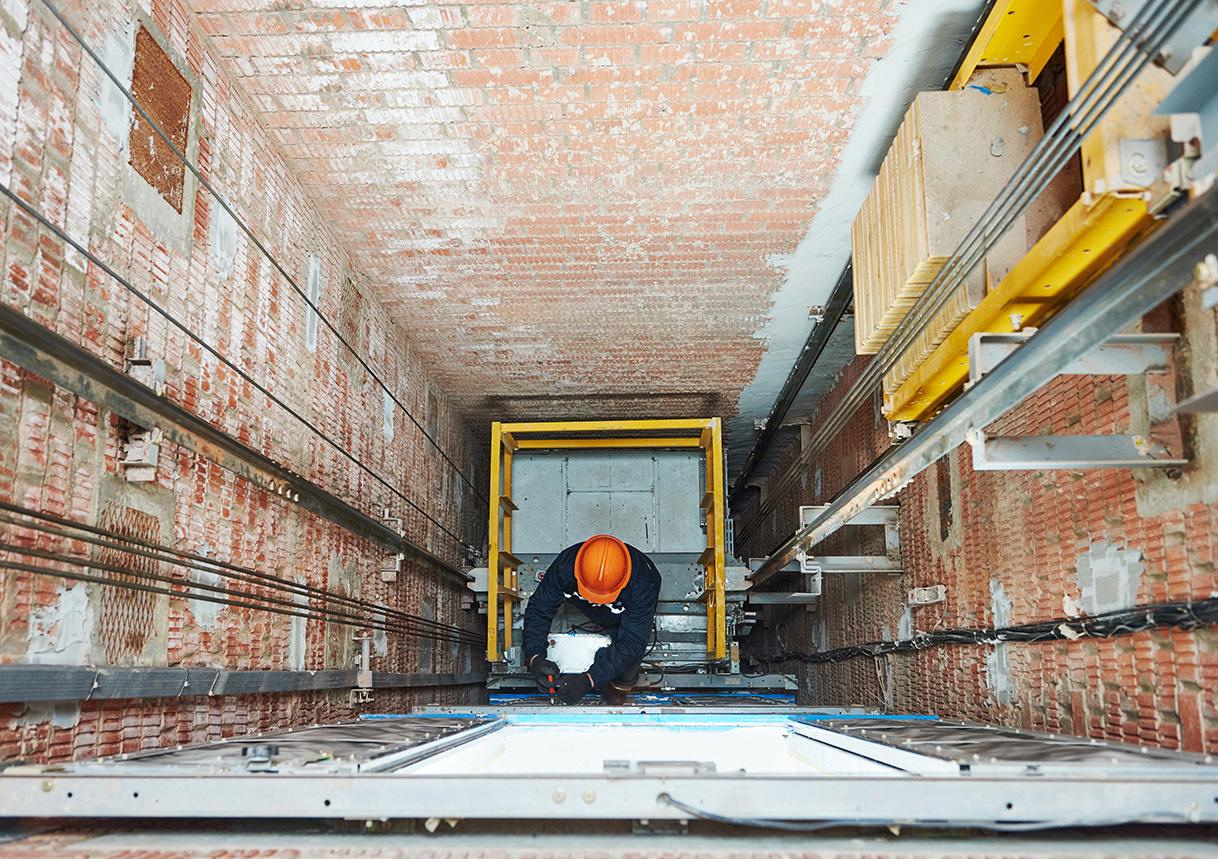 Elevator drives are built to deliver years of reliable performance, but like any critical system component, eventually reach the end of their life cycle. As these drives age, warning signs often appear long before a failure occurs, affecting ride quality, reliability, and increased maintenance costs. Knowing what to look for can help building owners address issues proactively to avoid costly repairs and reduce downtime.
Here are nine signs that the elevator drive may be approaching the end of service life and should be evaluated for replacement:
1. Unexpected Faults and Shutdowns
An elevator drive that frequently faults or shuts down for no obvious reason may be trying to tell you something. Recurring issues like these are often associated with aging or worn components and declining reliability.
2. Difficulty Finding Replacement Parts
If replacement parts are obsolete or increasingly difficult and costly to source, modernization may be a more cost-effective strategy. Some Magnetek-brand products, such as the HPV®900 Series 3 AC elevator drive, are drop-in replacements for earlier models, providing a straightforward modernization without major system modifications.
3. Poor Ride Quality
Jerky starts, rough rides, excessive vibration, or inconsistent leveling can be signs your drive is no longer delivering smooth control.
4. Increased Maintenance
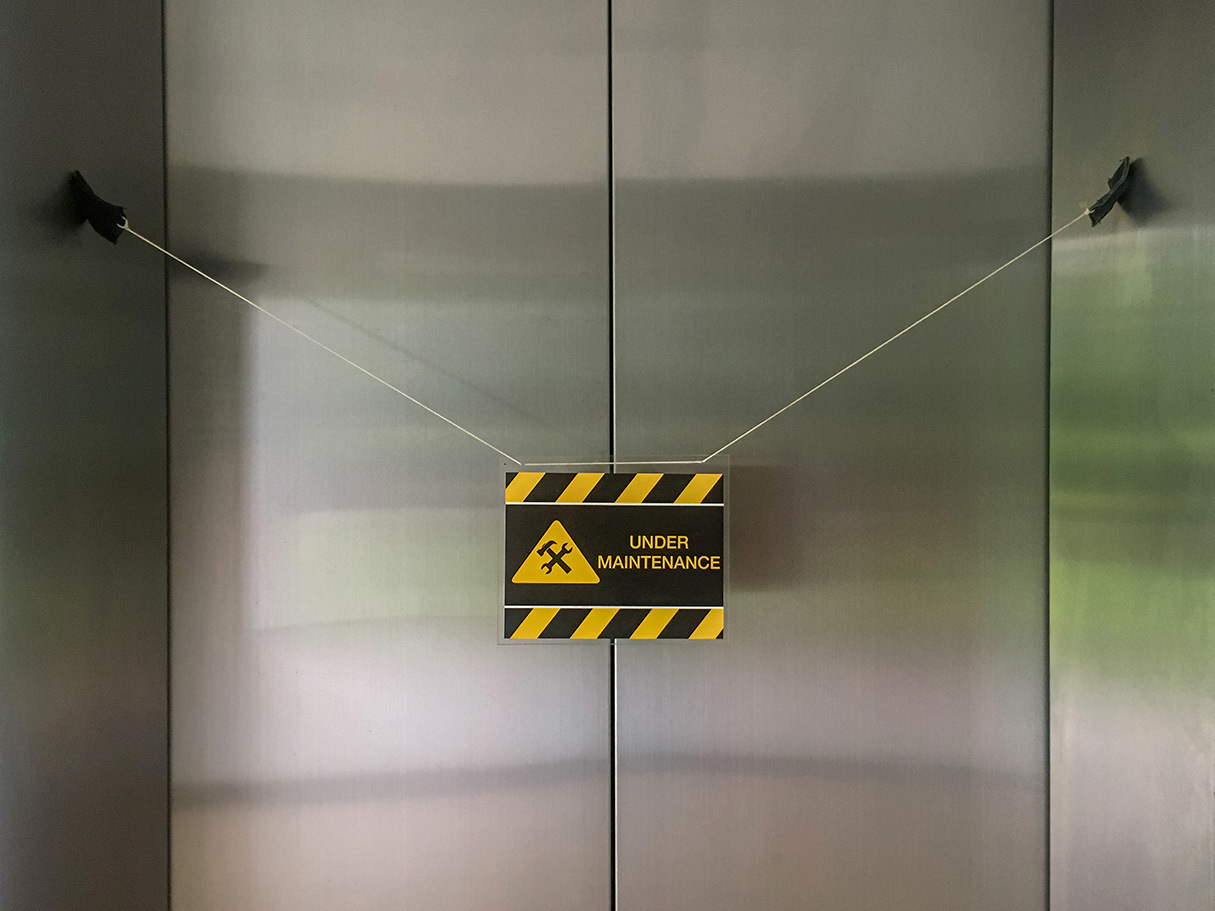 As drive-related troubleshooting becomes more frequent, replacing the drive can reduce downtime, lower maintenance cost, and free up technicians for other tasks.
5. Recurring Performance Issues
Persistent issues such as motor instability, speed regulation errors, rollback at startup, or intermittent operation can be signs that your drive is reaching the end of its reliable service life.
6. Rising Energy Consumption
Older drive technology is often less efficient than modern elevator solutions. As energy usage increases, modernizing the elevator drive could improve efficiency and deliver long-term savings.
7. Aging Equipment
With more than half of the U.S. elevator install base being over 25 years old, many systems are operating beyond their prime. As an elevator drive approaches its typical 25-year lifespan, upgrading to modern technology can deliver better performance, enhanced diagnostics, and improved energy efficiency.
8. Limited Diagnostic Capabilities
Limited fault information can make troubleshooting an aging drive a challenge. While the elevator drive may still be operating, older technology often provides fewer diagnostic insights, resulting in more time spent troubleshooting and more downtime when issues occur.
9. Compatibility Challenges
An aging drive can prevent integration with newer technology. Modernizing your elevator drive can improve compatibility with today’s controllers, motors, and overall modernization goals.
The warning signs of an aging drive rarely improve on their own. The best time to replace an aging elevator drive is before it impacts ride performance and reliability. If recurring faults, increased maintenance, or declining ride quality are happening more often, upgrading to modern Magnetek AC or DC elevator drive technology can improve reliability, performance, and long-term value for your building before minor issues become major problems.
Click here to download the checklist.
Related Articles
Troubleshooting Common Drive-Related Elevator Problems
Diagnose and Resolve Common Elevator Performance Issues
An elevator drive is the heart of the system’s motion control and when problems arise, the symptoms can often be felt long before a component fails. Issues such as poor leveling, rough ride quality, recurring fault codes, and unexpected shutdowns are frequent indicators that a drive is not performing as intended.

Can You Modernize an Elevator Without Replacing the Motor?
Improve Performance Without A Motor Replacement.
Around the 25-year mark, aging elevator systems often begin to present new challenges, making modernization a critical step toward extending service life and improving performance. One of the most common questions that emerges is whether it’s possible to modernize an elevator system without replacing the motor.