
,fit=pad/globalassets/logos/stahl/new-by-cmco/stahl_color-10.11.svg)
,fit=pad/globalassets/logos/cm/new/cm_color-10.11.svg)
,fit=pad/globalassets/logos/magnetek/new/magnetek_wide_color-10.11.svg)
,fit=pad/globalassets/logos/dorner/new/dorner_color-10.11.svg)
,fit=pad/globalassets/logos/garvey/new/garvey_color-10.11.svg)
,fit=pad/globalassets/logos/yale/new/yale-10.11.svg)
,fit=pad/globalassets/logos/duff-norton/new/duff-norton_color-10.11.svg)
,fit=pad/globalassets/logos/pfaff/new/pfaff_color-10.11.svg)
,fit=pad/globalassets/logos/coffing/new/coffing_hoists-10.11.svg)
,fit=pad/globalassets/logos/budgit/budgit-hoists-color.svg)
,fit=pad/globalassets/logos/unified/new/unified_color-10.11.svg)
,fit=pad/globalassets/logos/cm-et/cmet-color.svg)
,fit=pad/globalassets/logos/camlok/new/camlok-10.11.svg)
,fit=pad/globalassets/logos/chester/new/chester_hoist-10.11.svg)
,fit=pad/globalassets/logos/little-mule/new/little_mule_color-10.11.svg)
,fit=pad/globalassets/logos/shaw-box/new/shaw-box_color-10.11.svg)
,fit=pad/globalassets/logos/dixie/new/dixie_industries_color-10.11.svg)
,fit=pad/globalassets/logos/steerman/new/steerman_color-10.11.svg)
,fit=pad/globalassets/logos/montrac/montrac-logo.png)
 North America - EN
,fit=pad/globalassets/logos/stahl/new-by-cmco/stahl_color-10.11.svg)
,fit=pad/globalassets/logos/cm/new/cm_color-10.11.svg)
,fit=pad/globalassets/logos/magnetek/new/magnetek_wide_color-10.11.svg)
,fit=pad/globalassets/logos/dorner/new/dorner_color-10.11.svg)
,fit=pad/globalassets/logos/garvey/new/garvey_color-10.11.svg)
,fit=pad/globalassets/logos/yale/new/yale-10.11.svg)
,fit=pad/globalassets/logos/duff-norton/new/duff-norton_color-10.11.svg)
,fit=pad/globalassets/logos/pfaff/new/pfaff_color-10.11.svg)
,fit=pad/globalassets/logos/coffing/new/coffing_hoists-10.11.svg)
,fit=pad/globalassets/logos/budgit/budgit-hoists-color.svg)
,fit=pad/globalassets/logos/unified/new/unified_color-10.11.svg)
,fit=pad/globalassets/logos/cm-et/cmet-color.svg)
,fit=pad/globalassets/logos/camlok/new/camlok-10.11.svg)
,fit=pad/globalassets/logos/chester/new/chester_hoist-10.11.svg)
,fit=pad/globalassets/logos/little-mule/new/little_mule_color-10.11.svg)
,fit=pad/globalassets/logos/shaw-box/new/shaw-box_color-10.11.svg)
,fit=pad/globalassets/logos/dixie/new/dixie_industries_color-10.11.svg)
,fit=pad/globalassets/logos/steerman/new/steerman_color-10.11.svg)
,fit=pad/globalassets/logos/montrac/montrac-logo.png)
,fit=cover/contentassets/513eae2bea194c70bb49ab17f7071a7d/company-1.png)
Not All Products Are Created Equal—And Neither Are the Companies That Make Them
By Columbus McKinnon | Jun 29, 2026
In any industry, the phrase “quality matters” gets repeated so often that it risks losing its meaning. Most of us understand that not all products are made equal. Materials differ. Manufacturing varies. Performance, durability, and reliability can change dramatically from one offering to the next.
But there’s a second truth that’s just as important and far less discussed: not all companies are created equal either.
As we celebrate Global Lifting Awareness Day later this week, we’re taking a closer look at this idea through a four-part blog series centered on a simple but critical theme: not all lifting equipment is created equal (nor are the companies behind them). Because in lifting, those differences don’t just affect performance—they impact safety, reliability, and long-term outcomes.
The Difference is in the Foundation
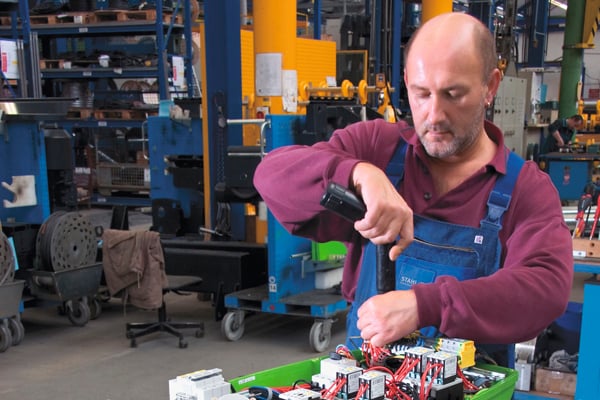
Behind every product is a team of dedicated people, a depth of expertise, a history of decisions, and a commitment to doing things the right way. The best outcomes aren’t just the result of good design or high-quality materials. They come from organizations that know how to bring those elements together with precision, consistency, and purpose.
That’s where real differentiation happens.
When evaluating a product, it’s easy to focus on specifications, price, or even brand name. But the company behind it often determines whether that product will truly deliver over time. Do they understand the application, or are they simply selling a product? Can they guide you to the right choice, or are you expected to figure it out on your own? Do they stand behind what they produce—not just with words, but with expertise and support?
These are the questions that define long-term success.
Where Experience Becomes Advantage
At its core, experience still matters. Companies that have spent decades refining their craft bring something more than just knowledge; they bring curiosity and perspective. They are invested in the process of finding the right way to complete a process. They’ve also seen what works, what doesn’t, and how to adapt. We recently brought together two organizations with more than 260 years of combined expertise. That combined perspective is powerful. It’s not just history for history’s sake. It’s a foundation for smarter decisions, better products, and stronger outcomes for our customers.
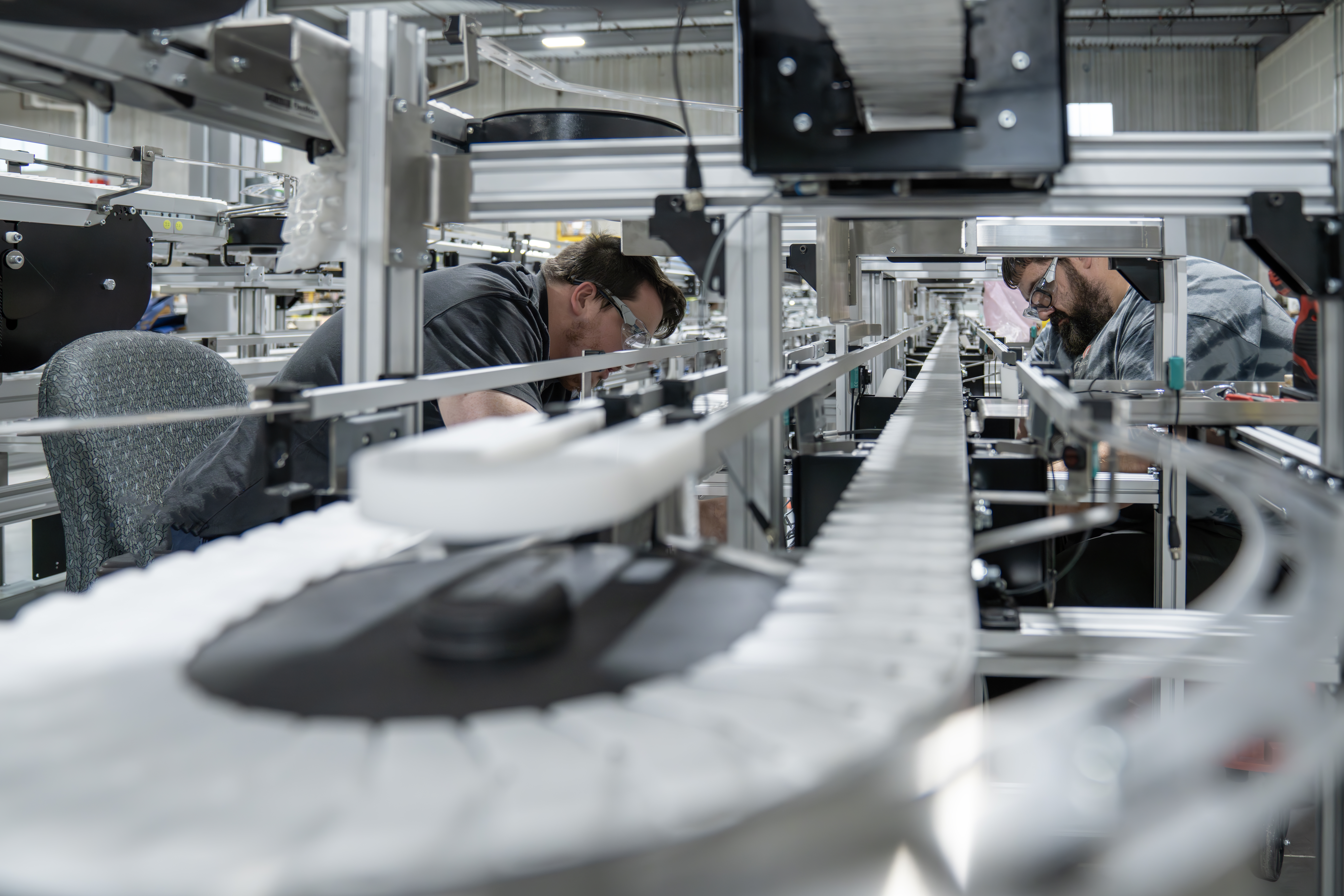
Of course, expertise isn’t just about longevity. It’s about people. A seasoned, knowledgeable team can mean the difference between a product that fits and one that fails. From engineering and design to application and support, deep experience allows a company to do more than provide options—they can help guide the right solution from the start.
That guidance continues well beyond the initial decision. Choosing the right product is only part of the equation. Designing it correctly and knowing how to use it effectively are just as critical. That’s why robust training and ongoing support aren’t “nice to have” add-ons; they are essential components of delivering true value. When teams are confident in how to use a product, performance improves, safety increases, and results follow.
Quality You Can Follow from Start to Finish
There’s also a less visible, but equally important, aspect of quality: knowing where materials come from. In an increasingly complex global supply chain, transparency and control matter more than ever. When a company understands its sourcing, it can ensure consistency, uphold standards, and deliver products that perform as expected every time. It’s a level of accountability that directly impacts end users, even if they never see it.
Taken together, these elements, including experience, people, support, and supply chain integrity, create a different kind of value. They turn products into solutions, and transactions into partnerships.
So yes, not all products are created equal. But the real distinction often lies deeper.
It lies in the company that stands behind them.