
,fit=pad/contentassets/8c25a81873f3447490ffdc9d9b53f5f5/kito_black.png)
,fit=pad/contentassets/df70ce6ebb1e45bda867f458ffed9e71/harrington_color-logo_light-background_crop.png)
,fit=pad/globalassets/logos/stahl/new-by-cmco/stahl_color-10.11.svg)
,fit=pad/globalassets/logos/yale/new/yale-10.11.svg)
,fit=pad/contentassets/1f4eac3541654db5a396d6c67f7ce0fb/crosby_red_rgb.png)
,fit=pad/contentassets/aa99b2f703284295af4814e40a22bbfc/gunnebo-industries_color-logo_crop.png)
,fit=pad/contentassets/5cd5182b5c724d6199ff77c450920a56/eepos-logo2025_eeblue_crop.png)
,fit=pad/globalassets/logos/magnetek/new/magnetek_wide_color-10.11.svg)
,fit=pad/globalassets/logos/dorner/new/dorner_color-10.11.svg)
,fit=pad/globalassets/logos/montrac/montrac-logo.png)
,fit=pad/globalassets/logos/pfaff/pfaff_color_cmyk_new.png)
,fit=pad/globalassets/logos/duff-norton/new/duff-norton_color-10.11.svg)
,fit=pad/globalassets/logos/garvey/new/garvey_color-10.11.svg)
,fit=pad/contentassets/1be5ec1cbb8e442392f10efd8b5b95a0/2-peerless_color-logo_light-background-crop.png)
,fit=pad/globalassets/logos/cm/new/cm_color-10.11.svg)
,fit=pad/globalassets/logos/acco_color-logo.png)
,fit=pad/globalassets/logos/shaw-box/new/shaw-box_color-10.11.svg)
,fit=pad/globalassets/logos/unified/new/unified_color-10.11.svg)
,fit=pad/globalassets/logos/little-mule/new/little_mule_color-10.11.svg)
,fit=pad/contentassets/b2b82ee821bd43ababced737cb426315/erikkila-only_color-logo_all-black_crop.png)
,fit=pad/globalassets/logos/steerman/new/steerman_color-10.11.svg)
,fit=pad/globalassets/logos/dixie/new/dixie_industries_color-10.11.svg)
,fit=pad/globalassets/brand-landing-pages/airpes/crosby-airpes-logo-2023-tall-web.png)
,fit=pad/globalassets/brand-landing-pages/van-leusden/van-leusden-logo.png)
,fit=pad/globalassets/logos/camlok/new/camlok-10.11.svg)
,fit=pad/globalassets/logos/nutting_color-logo.png)
,fit=pad/globalassets/logos/speedbinders/speedbinders_color-logo.png)
,fit=pad/globalassets/logos/scc/scc-logo3.png)
 North America - EN
,fit=pad/contentassets/8c25a81873f3447490ffdc9d9b53f5f5/kito_black.png)
,fit=pad/contentassets/df70ce6ebb1e45bda867f458ffed9e71/harrington_color-logo_light-background_crop.png)
,fit=pad/globalassets/logos/stahl/new-by-cmco/stahl_color-10.11.svg)
,fit=pad/globalassets/logos/yale/new/yale-10.11.svg)
,fit=pad/contentassets/1f4eac3541654db5a396d6c67f7ce0fb/crosby_red_rgb.png)
,fit=pad/contentassets/aa99b2f703284295af4814e40a22bbfc/gunnebo-industries_color-logo_crop.png)
,fit=pad/contentassets/5cd5182b5c724d6199ff77c450920a56/eepos-logo2025_eeblue_crop.png)
,fit=pad/globalassets/logos/magnetek/new/magnetek_wide_color-10.11.svg)
,fit=pad/globalassets/logos/dorner/new/dorner_color-10.11.svg)
,fit=pad/globalassets/logos/montrac/montrac-logo.png)
,fit=pad/globalassets/logos/pfaff/pfaff_color_cmyk_new.png)
,fit=pad/globalassets/logos/duff-norton/new/duff-norton_color-10.11.svg)
,fit=pad/globalassets/logos/garvey/new/garvey_color-10.11.svg)
,fit=pad/contentassets/1be5ec1cbb8e442392f10efd8b5b95a0/2-peerless_color-logo_light-background-crop.png)
,fit=pad/globalassets/logos/cm/new/cm_color-10.11.svg)
,fit=pad/globalassets/logos/acco_color-logo.png)
,fit=pad/globalassets/logos/shaw-box/new/shaw-box_color-10.11.svg)
,fit=pad/globalassets/logos/unified/new/unified_color-10.11.svg)
,fit=pad/globalassets/logos/little-mule/new/little_mule_color-10.11.svg)
,fit=pad/contentassets/b2b82ee821bd43ababced737cb426315/erikkila-only_color-logo_all-black_crop.png)
,fit=pad/globalassets/logos/steerman/new/steerman_color-10.11.svg)
,fit=pad/globalassets/logos/dixie/new/dixie_industries_color-10.11.svg)
,fit=pad/globalassets/brand-landing-pages/airpes/crosby-airpes-logo-2023-tall-web.png)
,fit=pad/globalassets/brand-landing-pages/van-leusden/van-leusden-logo.png)
,fit=pad/globalassets/logos/camlok/new/camlok-10.11.svg)
,fit=pad/globalassets/logos/nutting_color-logo.png)
,fit=pad/globalassets/logos/speedbinders/speedbinders_color-logo.png)
,fit=pad/globalassets/logos/scc/scc-logo3.png)
Lifting Solutions for the Metals Industry
Hoists, Crane Systems, and Intelligent Motion
,fit=cover/globalassets/industries/metals-production/shutterstock_783496171.jpg)


The Role of Lifting Systems in Metals Production
Every stage of metals production depends on controlled, repeatable movement.
Key challenges in metals production include:
Scrap gets lifted into charge buckets and fed into furnaces.
|
Molten metal moves between refining and casting.
|
Billets and slabs travel through reheating, rolling, fabrication, and finishing before storage or shipment.
|
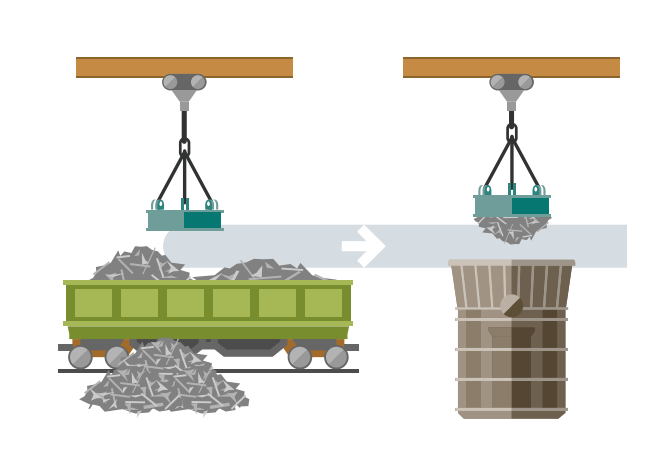
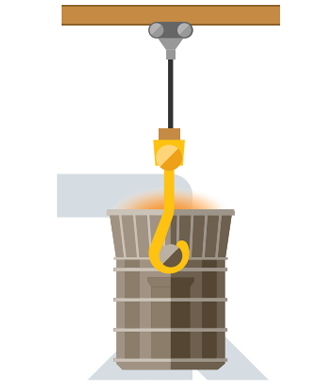
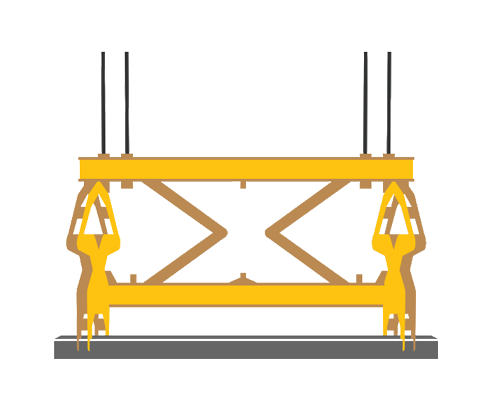
At each step, lifting equipment must do two things well: manage heavy and irregular loads and place material precisely where it is needed. Effective metals production material handling connects each stage of the process and keeps operations moving safely and efficiently.
Why Lifting Systems Matter in Metals Production
Every lift connects one stage of production to the next. When lifting or material handling systems fall short, the impact is immediate:
,fit=cover/globalassets/industries/metals-production/vertical-campaign-page-updates/lifting/why-lifting-matters.png)
,fit=cover/globalassets/industries/metals-production/vertical-campaign-page-updates/lifting/warning-v2.png)
Equipment failures interrupt production
Cranes working in shared bays create bottlenecks
Coils, plates, and fabricated components are damaged and require rework
Safety risks increase, especially around molten metal and heavy fabricated components
Well-designed lifting systems help prevent these issues. They keep material moving, reduce unplanned downtime, protect product integrity, and give operators greater control and visibility throughout the plant.
Built for Harsh Metals Environments
Steel plants push equipment hard. Heat, dust, scale, and nonstop operation are part of the job. Lifting systems need to hold up under all of it.
CMCO solutions are designed for these conditions:
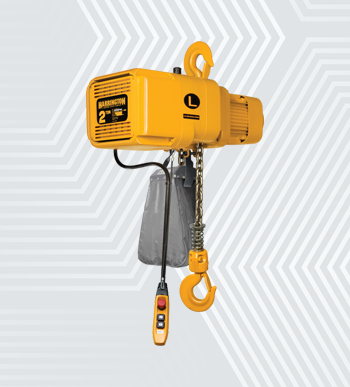
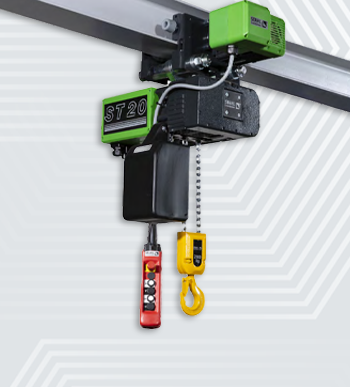
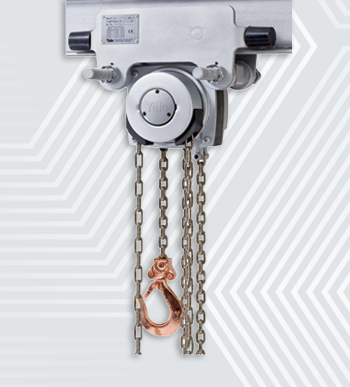
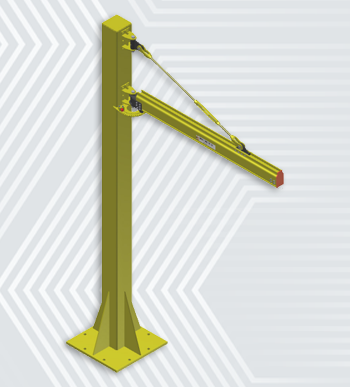
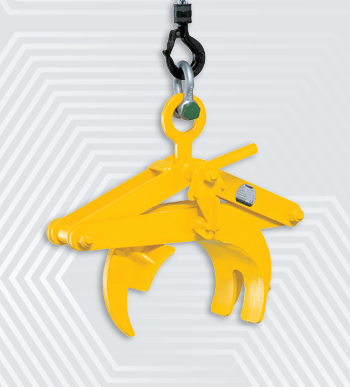
Each component plays a role. Together, these components form integrated systems that support safe, reliable material handling day in and day out.
 Key Metals Lifting Applications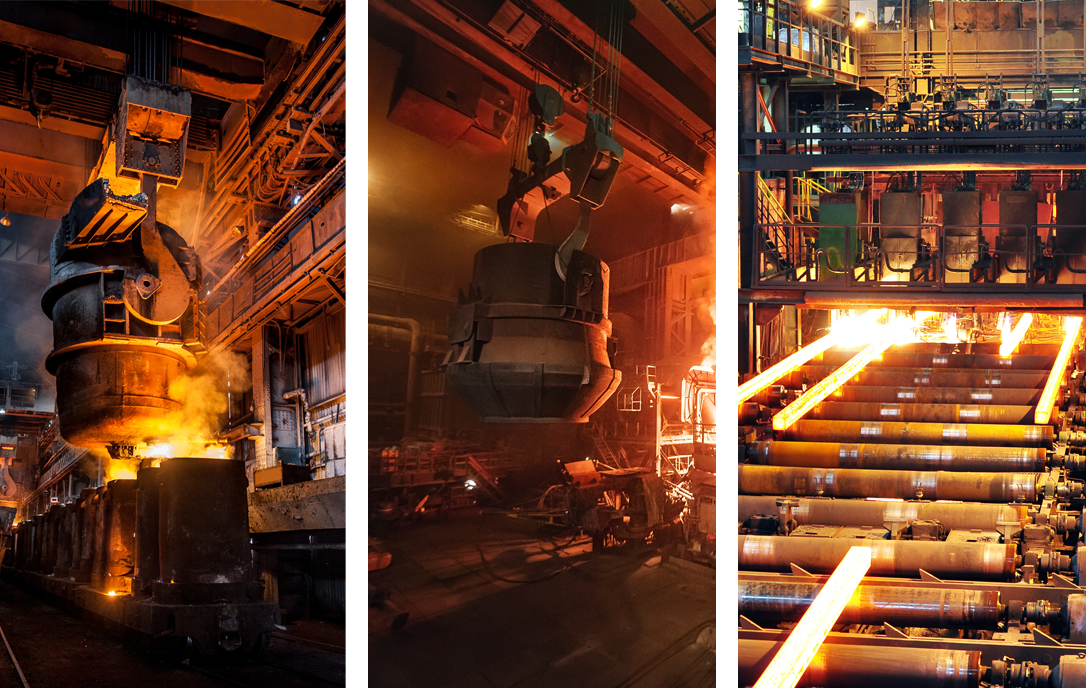
Furnace Charging
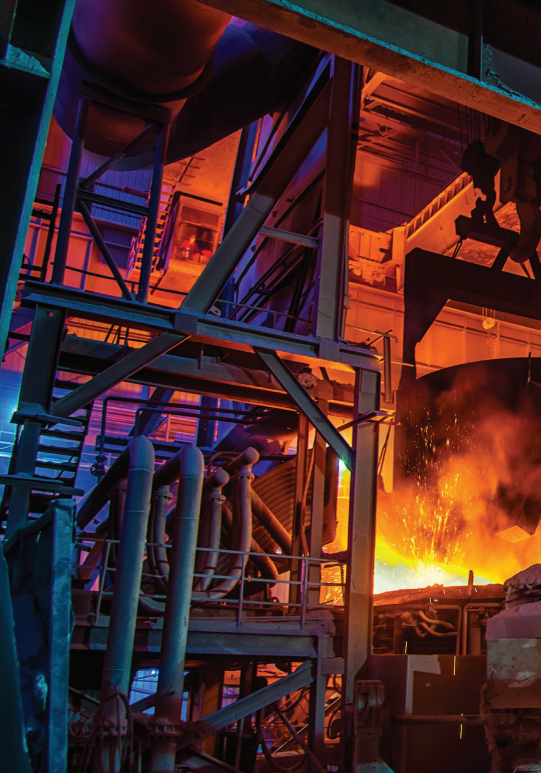 |
Charging a furnace leaves no room for error. Operators need to lift and position full charge buckets into high-temperature zones with control and consistency. Electric wire rope hoists provide the strength, while braking systems help hold and position loads safely.
|
Ladle Handling
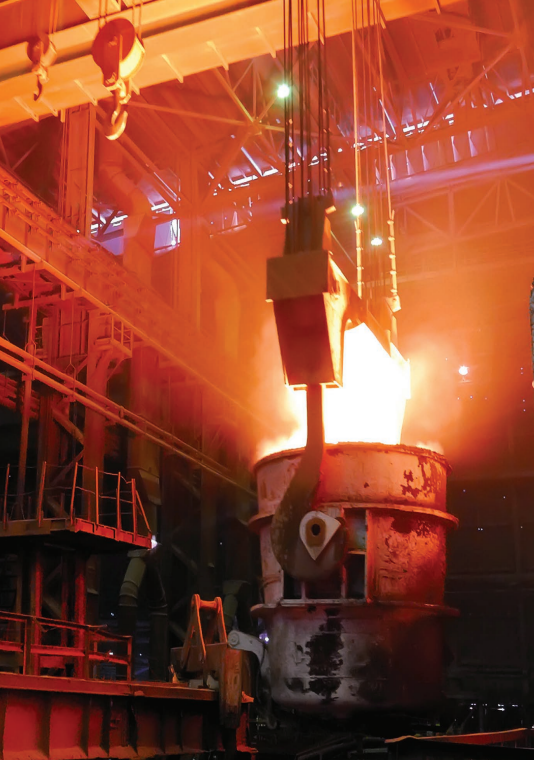 |
Ladle handling looks different depending on where you are in the process. Large ladles moving molten metal over long distances are typically well suited to the capacity and durability of electric wire rope hoists.
|
Scrap Handling and Charge Preparation
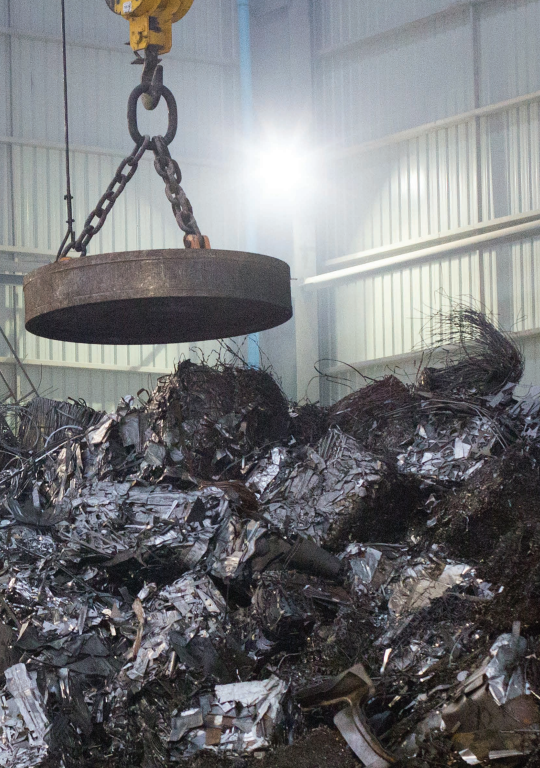 |
Steel production often begins in the scrap yard. Heavy, irregular loads need to be sorted, staged, and loaded into charge buckets. Electric wire rope hoists handle the weight and duty cycle, while rigging and below-the-hook devices keep loads secure.
|
Sand and Die Casting
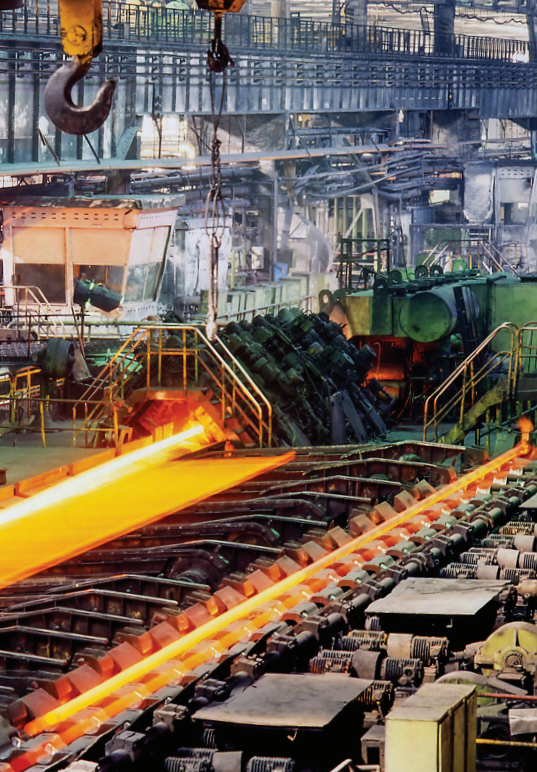 |
Casting environments often require flexible, hands on lifting.
|
Billet and Slab Handling
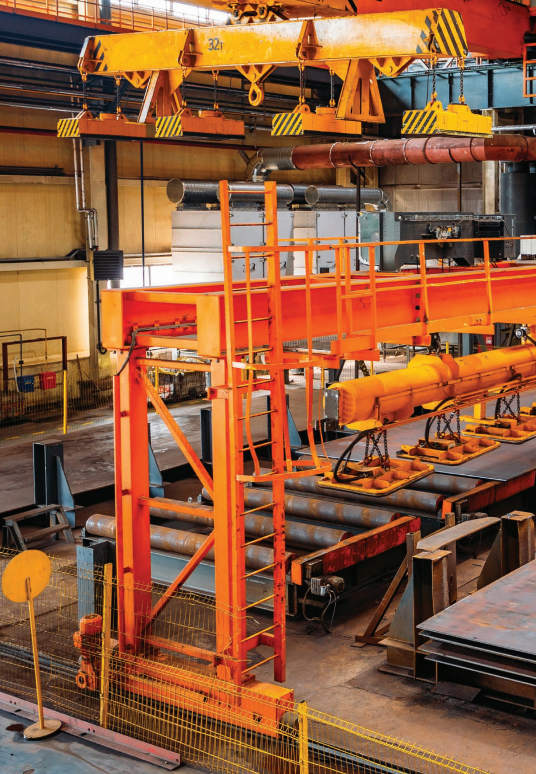 |
Billets and slabs move constantly, often while still hot.
|
Coil Handling
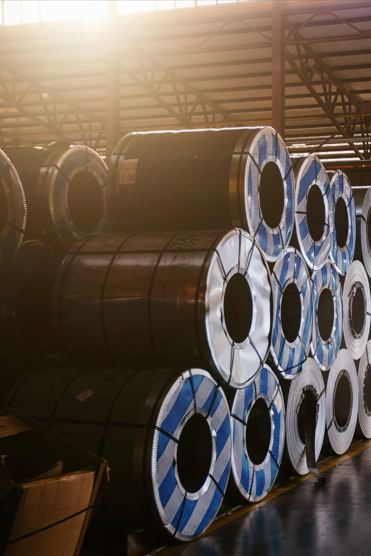 |
Coils hold significant material value, making careful handling essential.
|
Plate Handling
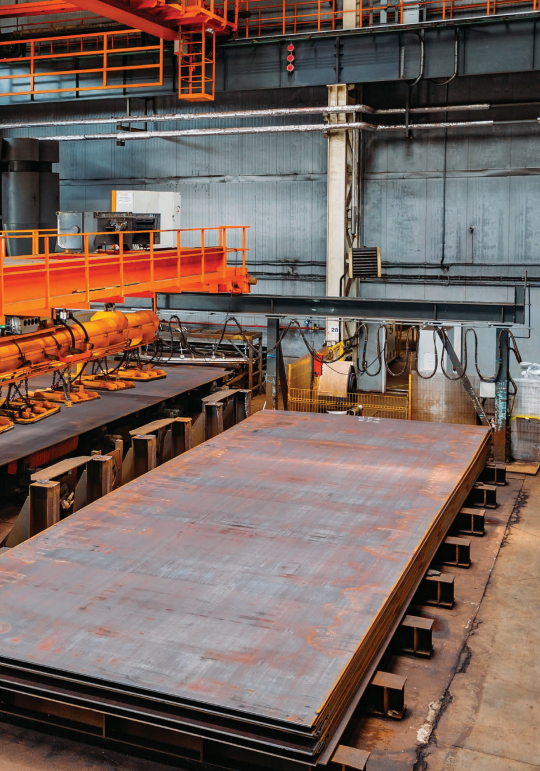 |
Large plates and sheet material require even support to prevent bending or surface damage.
|
Molding, Tooling, and Die Handling
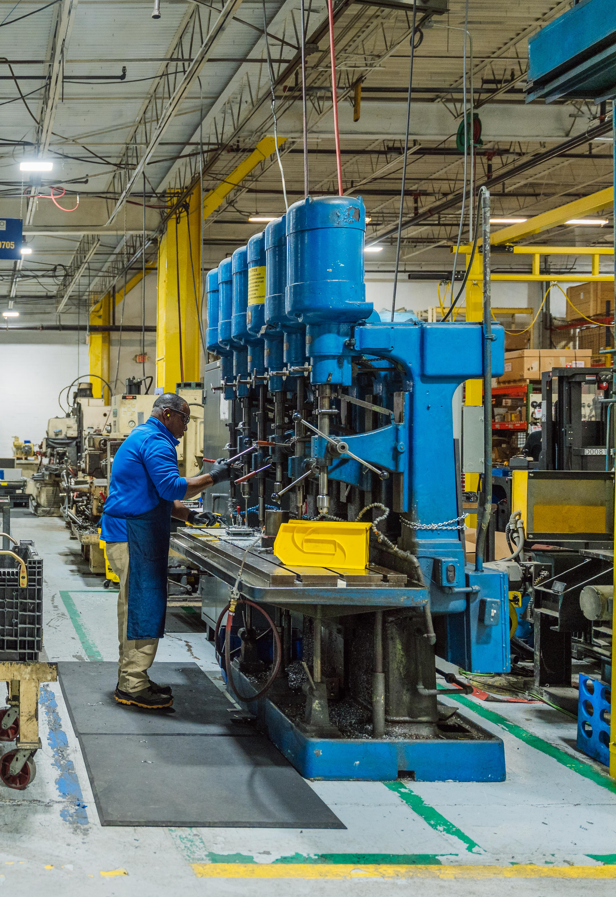 |
Maintenance, tooling, and die changes are critical to plant productivity.
|
Storage and Transportation
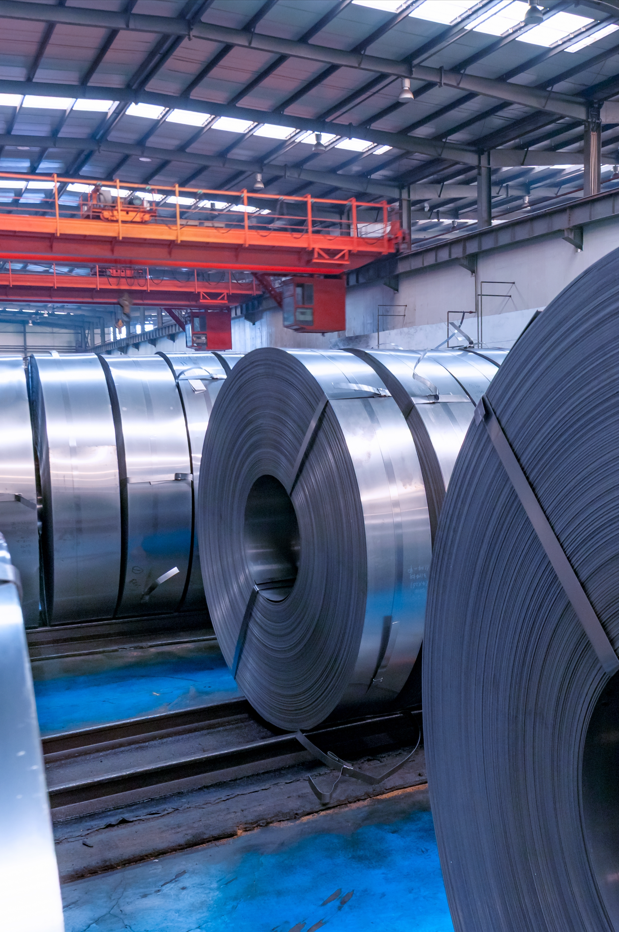 |
Material handling continues beyond production. Rigging equipment, such as tie downs, ratchet binders, lever binders, and chain assemblies, secures loads during staging and transport.
|
Supporting Safer Operations with Intelligent Controls

,fit=cover/globalassets/case-studies/galvanizing-crane/shutterstock_1593435001.jpg)
Case Study: Galvanizing Crane Hoist Modernization
A galvanizing facility had been running the same overhead crane system for over 30 years in a corrosive environment. The equipment had reached its limit. CMCO replaced the hoists with new Yale® Cable King units and added Magnetek® IMPULSE® drives. The modernization improved load control, reduced swing, and provided greater visibility into system performance, resulting in safer operation and more consistent lifting.
Explore Lifting Solutions for Metals Production
If you are looking to improve lifting performance, safety, or efficiency, start with the right information—or a focused conversation.