
,fit=pad/contentassets/8c25a81873f3447490ffdc9d9b53f5f5/kito_black.png)
,fit=pad/contentassets/df70ce6ebb1e45bda867f458ffed9e71/harrington_color-logo_light-background_crop.png)
,fit=pad/globalassets/logos/stahl/new-by-cmco/stahl_color-10.11.svg)
,fit=pad/globalassets/logos/yale/new/yale-10.11.svg)
,fit=pad/contentassets/1f4eac3541654db5a396d6c67f7ce0fb/crosby_red_rgb.png)
,fit=pad/contentassets/aa99b2f703284295af4814e40a22bbfc/gunnebo-industries_color-logo_crop.png)
,fit=pad/contentassets/5cd5182b5c724d6199ff77c450920a56/eepos-logo2025_eeblue_crop.png)
,fit=pad/globalassets/logos/magnetek/new/magnetek_wide_color-10.11.svg)
,fit=pad/globalassets/logos/dorner/new/dorner_color-10.11.svg)
,fit=pad/globalassets/logos/montrac/montrac-logo.png)
,fit=pad/globalassets/logos/pfaff/pfaff_color_cmyk_new.png)
,fit=pad/globalassets/logos/duff-norton/new/duff-norton_color-10.11.svg)
,fit=pad/globalassets/logos/garvey/new/garvey_color-10.11.svg)
,fit=pad/contentassets/1be5ec1cbb8e442392f10efd8b5b95a0/2-peerless_color-logo_light-background-crop.png)
,fit=pad/globalassets/logos/cm/new/cm_color-10.11.svg)
,fit=pad/globalassets/logos/acco_color-logo.png)
,fit=pad/globalassets/logos/shaw-box/new/shaw-box_color-10.11.svg)
,fit=pad/globalassets/logos/unified/new/unified_color-10.11.svg)
,fit=pad/globalassets/logos/little-mule/new/little_mule_color-10.11.svg)
,fit=pad/contentassets/b2b82ee821bd43ababced737cb426315/erikkila-only_color-logo_all-black_crop.png)
,fit=pad/globalassets/logos/steerman/new/steerman_color-10.11.svg)
,fit=pad/globalassets/logos/dixie/new/dixie_industries_color-10.11.svg)
,fit=pad/globalassets/brand-landing-pages/airpes/crosby-airpes-logo-2023-tall-web.png)
,fit=pad/globalassets/brand-landing-pages/van-leusden/van-leusden-logo.png)
,fit=pad/globalassets/logos/camlok/new/camlok-10.11.svg)
,fit=pad/globalassets/logos/nutting_color-logo.png)
,fit=pad/globalassets/logos/speedbinders/speedbinders_color-logo.png)
,fit=pad/globalassets/logos/scc/scc-logo3.png)
 North America - EN
,fit=pad/contentassets/8c25a81873f3447490ffdc9d9b53f5f5/kito_black.png)
,fit=pad/contentassets/df70ce6ebb1e45bda867f458ffed9e71/harrington_color-logo_light-background_crop.png)
,fit=pad/globalassets/logos/stahl/new-by-cmco/stahl_color-10.11.svg)
,fit=pad/globalassets/logos/yale/new/yale-10.11.svg)
,fit=pad/contentassets/1f4eac3541654db5a396d6c67f7ce0fb/crosby_red_rgb.png)
,fit=pad/contentassets/aa99b2f703284295af4814e40a22bbfc/gunnebo-industries_color-logo_crop.png)
,fit=pad/contentassets/5cd5182b5c724d6199ff77c450920a56/eepos-logo2025_eeblue_crop.png)
,fit=pad/globalassets/logos/magnetek/new/magnetek_wide_color-10.11.svg)
,fit=pad/globalassets/logos/dorner/new/dorner_color-10.11.svg)
,fit=pad/globalassets/logos/montrac/montrac-logo.png)
,fit=pad/globalassets/logos/pfaff/pfaff_color_cmyk_new.png)
,fit=pad/globalassets/logos/duff-norton/new/duff-norton_color-10.11.svg)
,fit=pad/globalassets/logos/garvey/new/garvey_color-10.11.svg)
,fit=pad/contentassets/1be5ec1cbb8e442392f10efd8b5b95a0/2-peerless_color-logo_light-background-crop.png)
,fit=pad/globalassets/logos/cm/new/cm_color-10.11.svg)
,fit=pad/globalassets/logos/acco_color-logo.png)
,fit=pad/globalassets/logos/shaw-box/new/shaw-box_color-10.11.svg)
,fit=pad/globalassets/logos/unified/new/unified_color-10.11.svg)
,fit=pad/globalassets/logos/little-mule/new/little_mule_color-10.11.svg)
,fit=pad/contentassets/b2b82ee821bd43ababced737cb426315/erikkila-only_color-logo_all-black_crop.png)
,fit=pad/globalassets/logos/steerman/new/steerman_color-10.11.svg)
,fit=pad/globalassets/logos/dixie/new/dixie_industries_color-10.11.svg)
,fit=pad/globalassets/brand-landing-pages/airpes/crosby-airpes-logo-2023-tall-web.png)
,fit=pad/globalassets/brand-landing-pages/van-leusden/van-leusden-logo.png)
,fit=pad/globalassets/logos/camlok/new/camlok-10.11.svg)
,fit=pad/globalassets/logos/nutting_color-logo.png)
,fit=pad/globalassets/logos/speedbinders/speedbinders_color-logo.png)
,fit=pad/globalassets/logos/scc/scc-logo3.png)
Conveyance Solutions for the Metals Industry
Connecting Processes. Improving Flow Throughout Metals Processing
,fit=cover/globalassets/industries/metals-production/vertical-campaign-page-updates/conveyance/montratec-metals-image-15.png)


Why Conveyance Systems Matter in Metals Production
Every stage of metals production depends on what happens between processes. Machined parts move to heat treatment. Finished components head to inspection. Material travels across the plant, and when that movement breaks down, everything slows with it. When movement relies on manual handling or disconnected systems, problems show up quickly:
,fit=cover/globalassets/industries/metals-production/vertical-campaign-page-updates/conveyance/montratec-metals-image-12.png)
,fit=cover/globalassets/industries/metals-production/vertical-campaign-page-updates/lifting/warning-v2.png)
Bottlenecks between operations
Inconsistent production flow
Increased handling labor strain
Delays that ripple across the process
Conveyance systems close these gaps by linking operations into a continuous flow, keeping material moving when and where it’s needed.
 Key Metals Conveyance Applications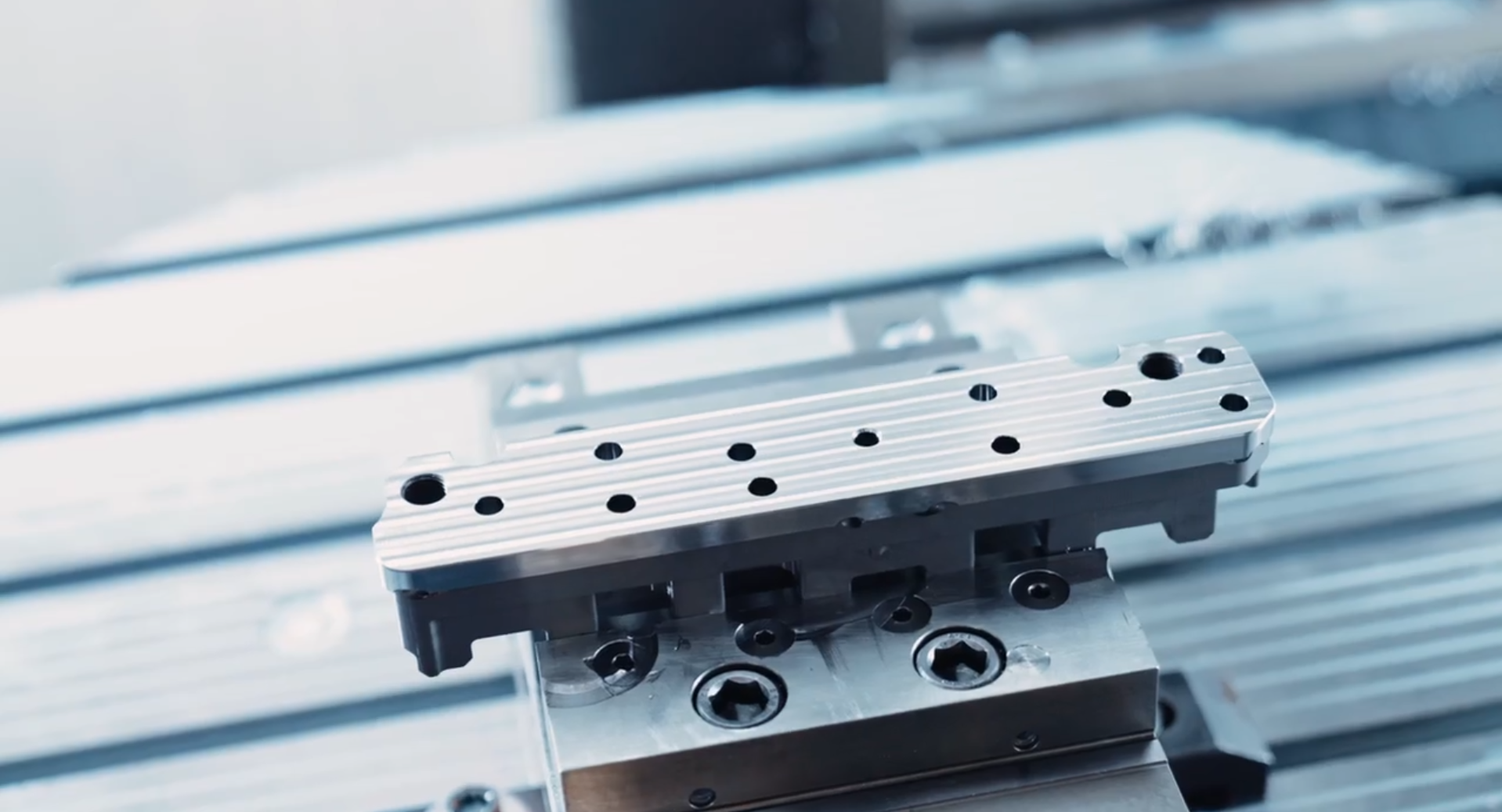
Intralogistics & Raw Material Movement
|
|
|
Moving material across a facility often creates hidden inefficiencies.
|
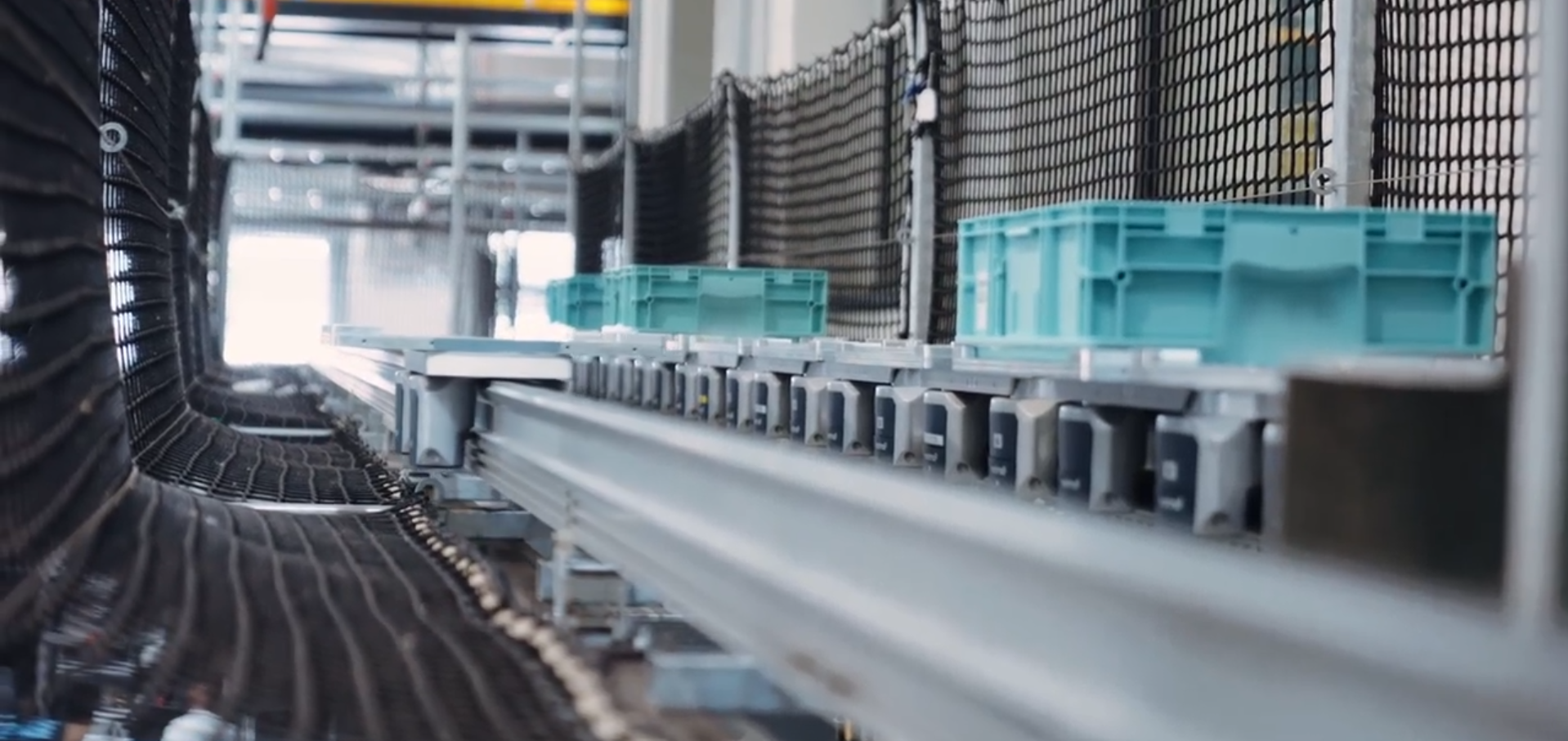
Connecting Processing Operations
|
|
|
Metal production relies on tightly coordinated steps. Conveyance systems keep those steps connected.
Material moves continuously instead of stopping between operations. That reduces handoffs, eliminates gaps, and keeps production moving.
|
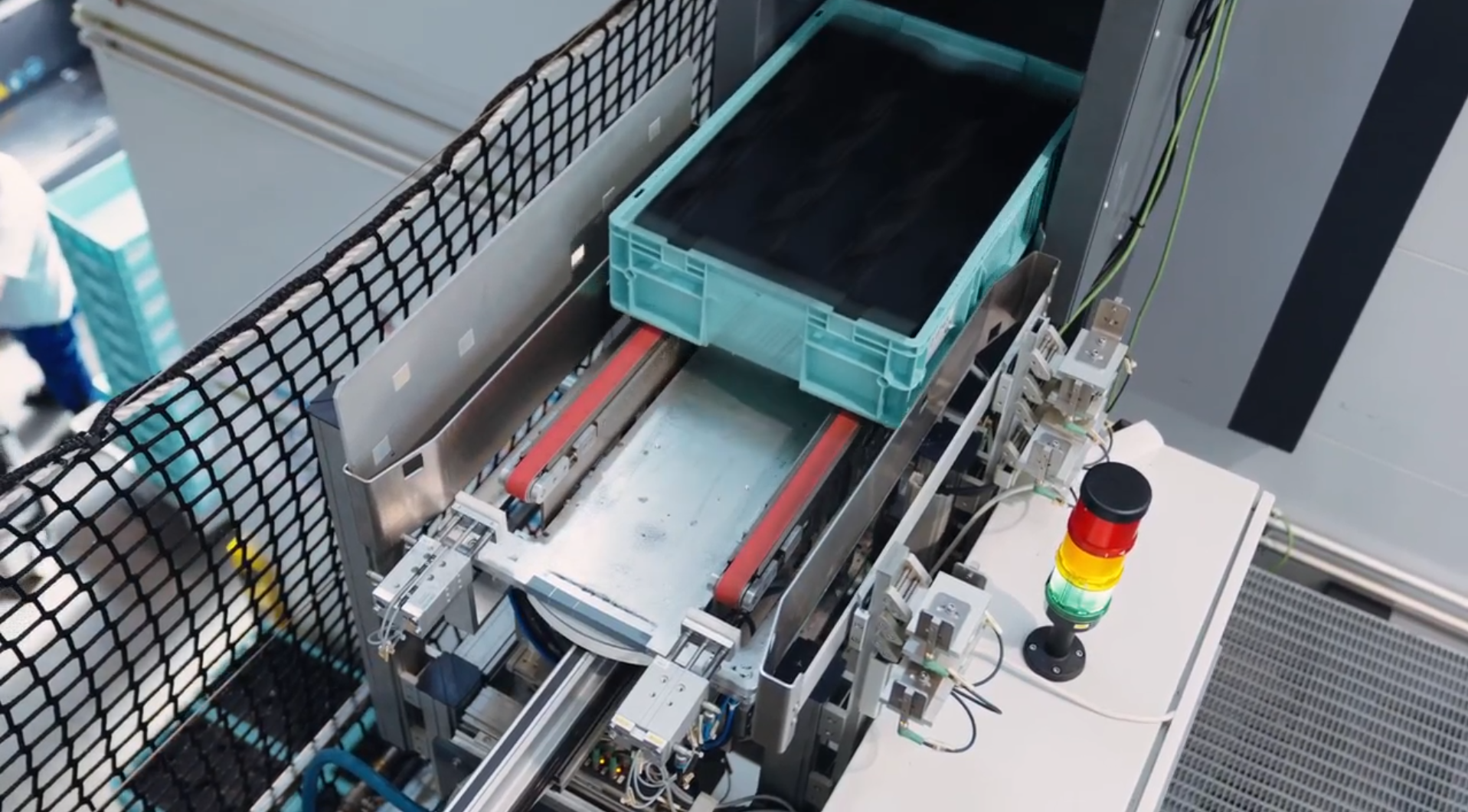
CNC Machining Support
|
|
|
In machining environments, consistent part flow matters just as much as machine performance.
These setups can work alongside operators or integrate with automation. Both approaches reduce manual handling and help keep cycle times consistent.
|
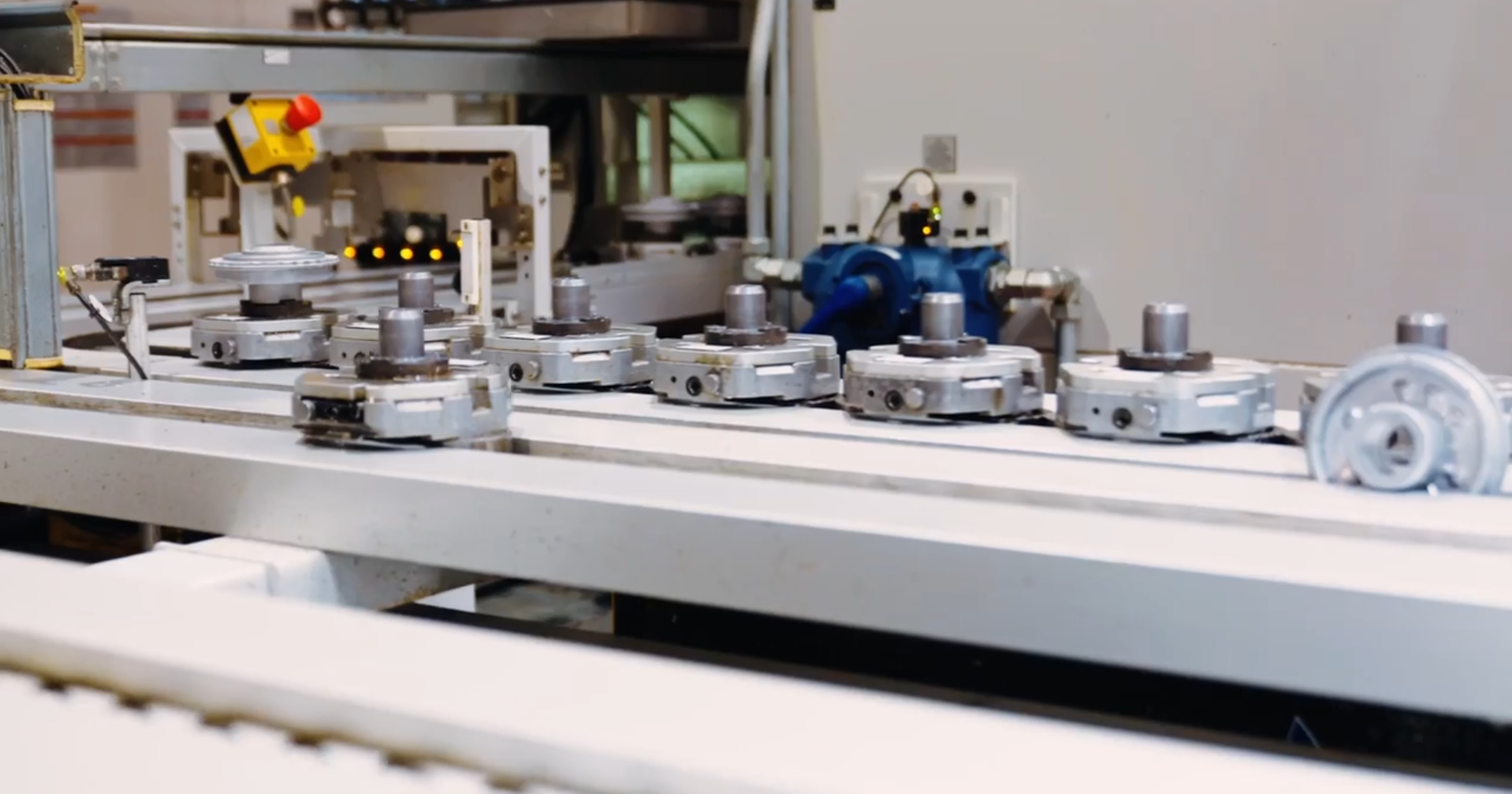
Scrap & Chip Handling
|
|
|
In machining environments, consistent part flow matters just as much as machine performance. Scrap and chips build up quickly in machining operations. Without a reliable way to remove them, they start to impact productivity and safety. Conveyance systems move scrap away from the source, helping keep work areas cleaner and easier to manage. These solutions help ensure metal products move safely from the plant floor to final delivery.
|
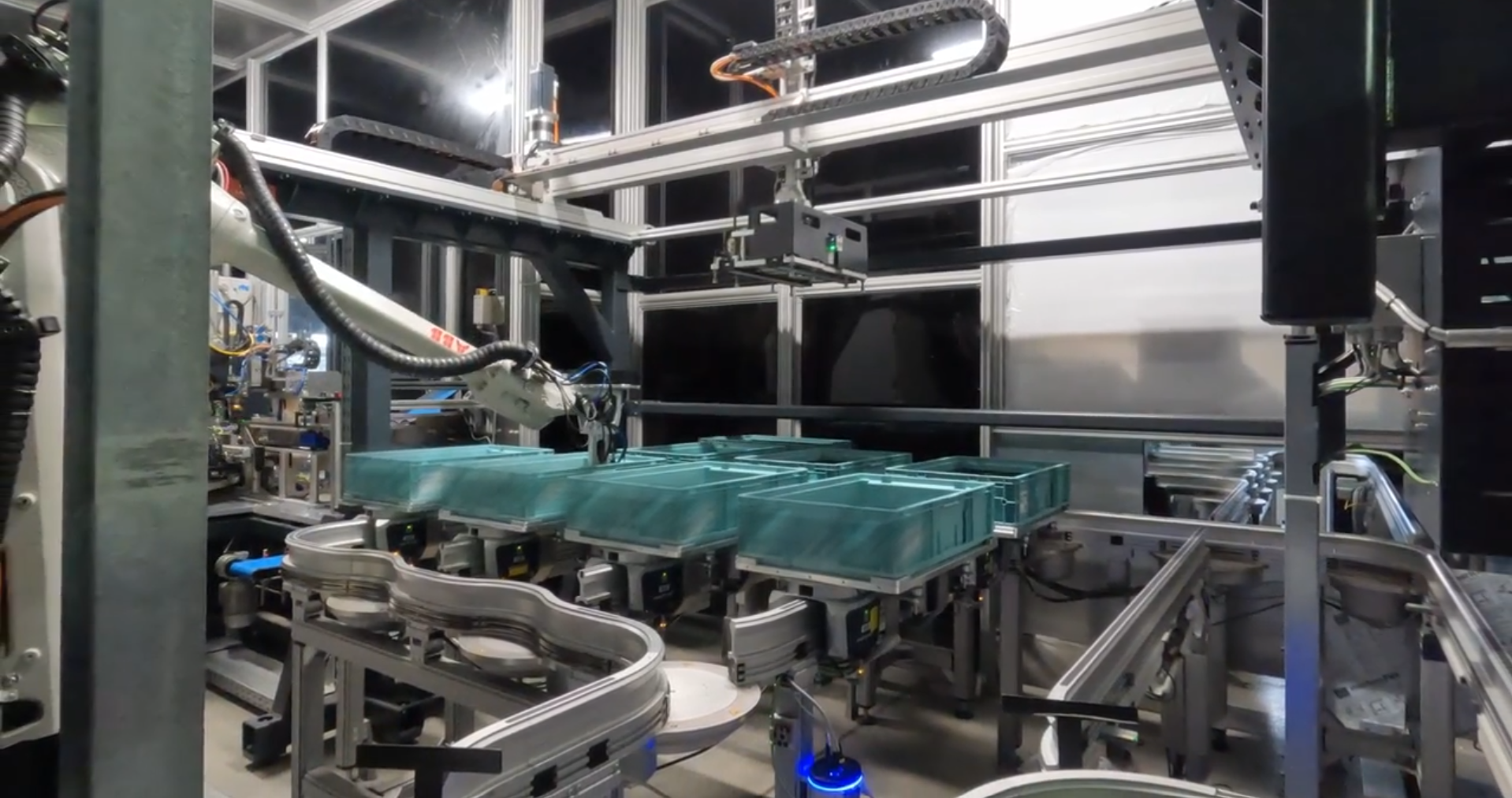
Inspection & Quality Flow
|
|
|
Inspection often slows the process.
|
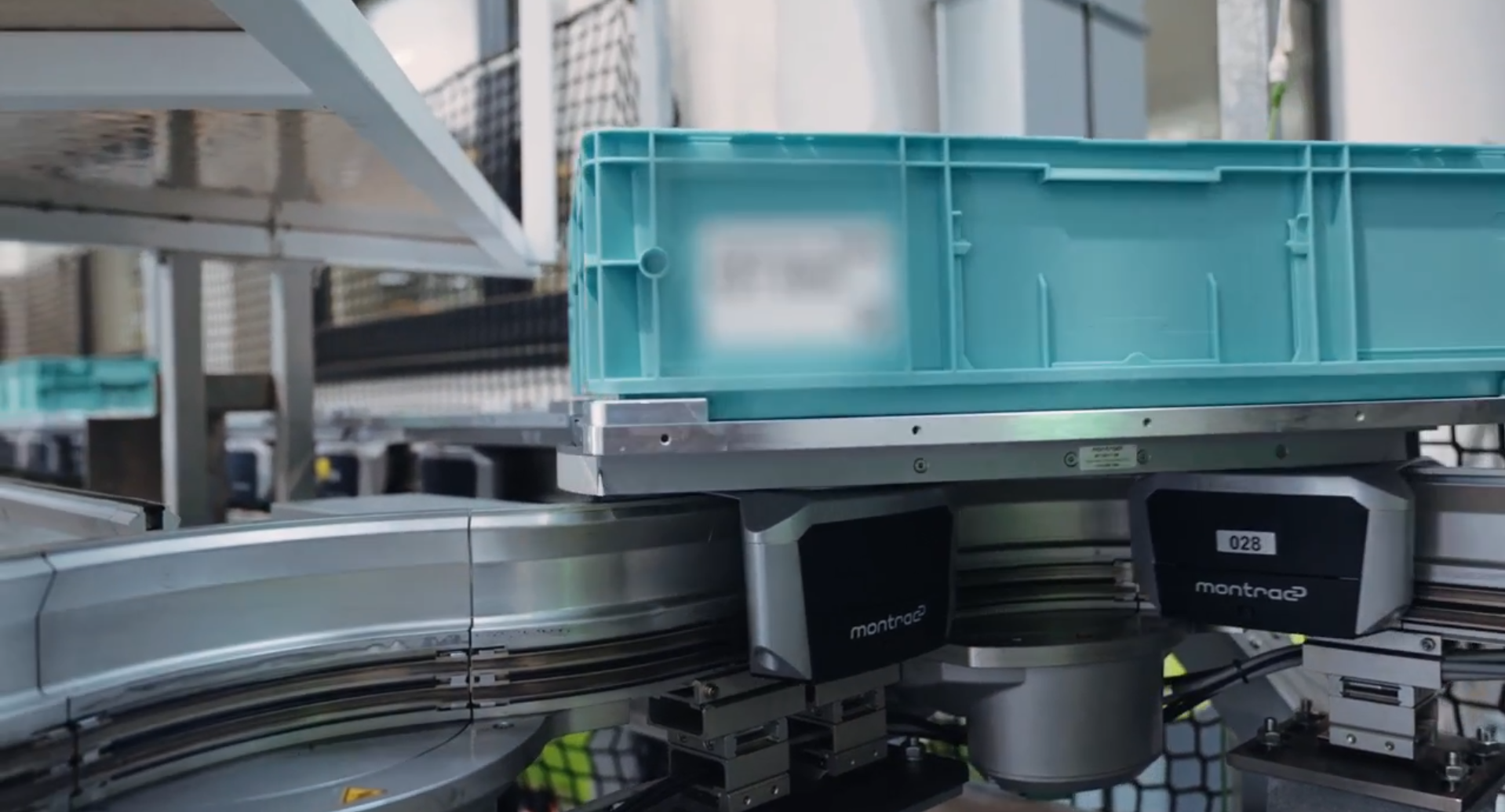
Supporting Low-Touch Automation
|
|
|
As facilities move toward more automated operations, material flow becomes even more critical.
|
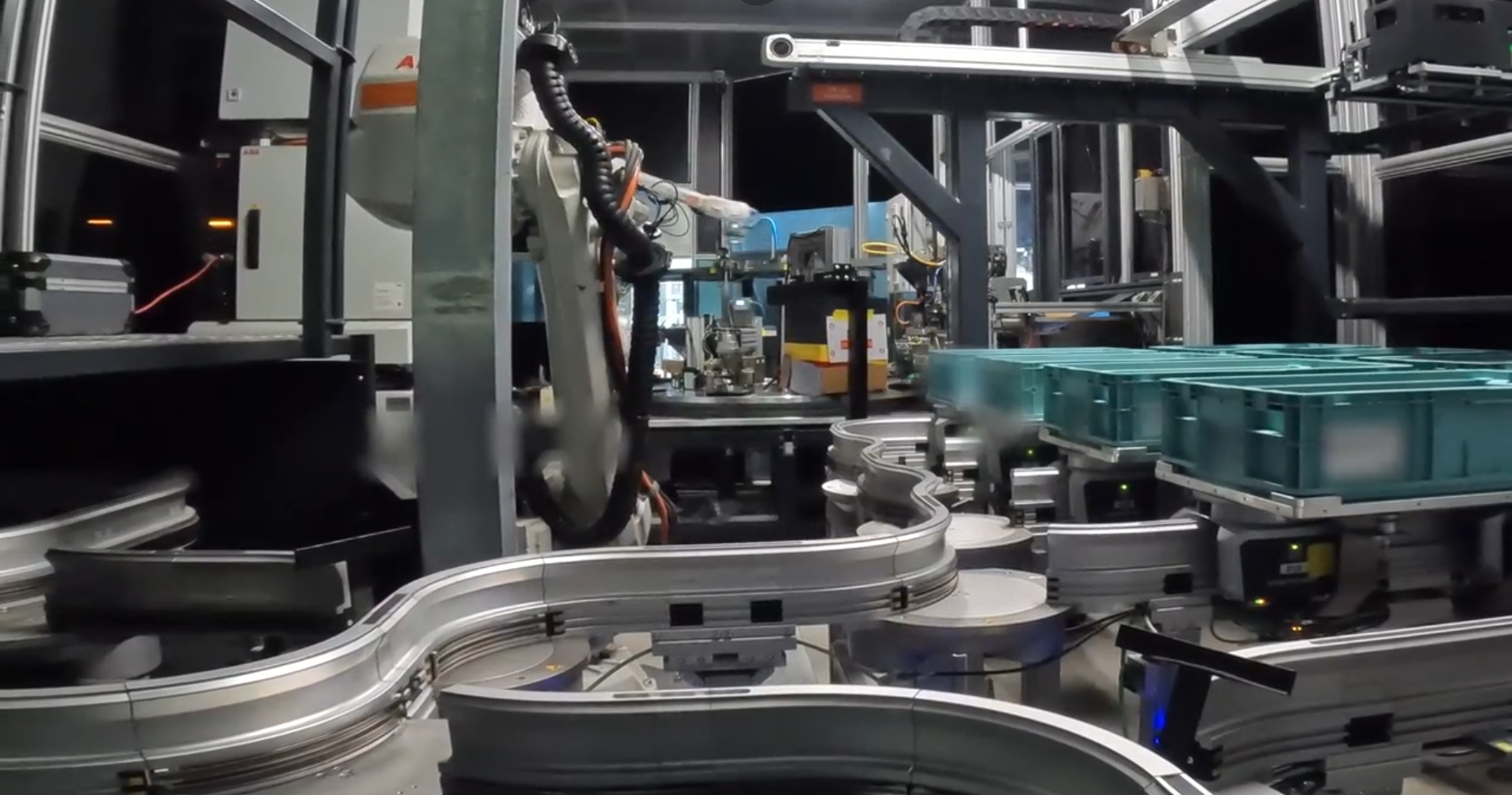
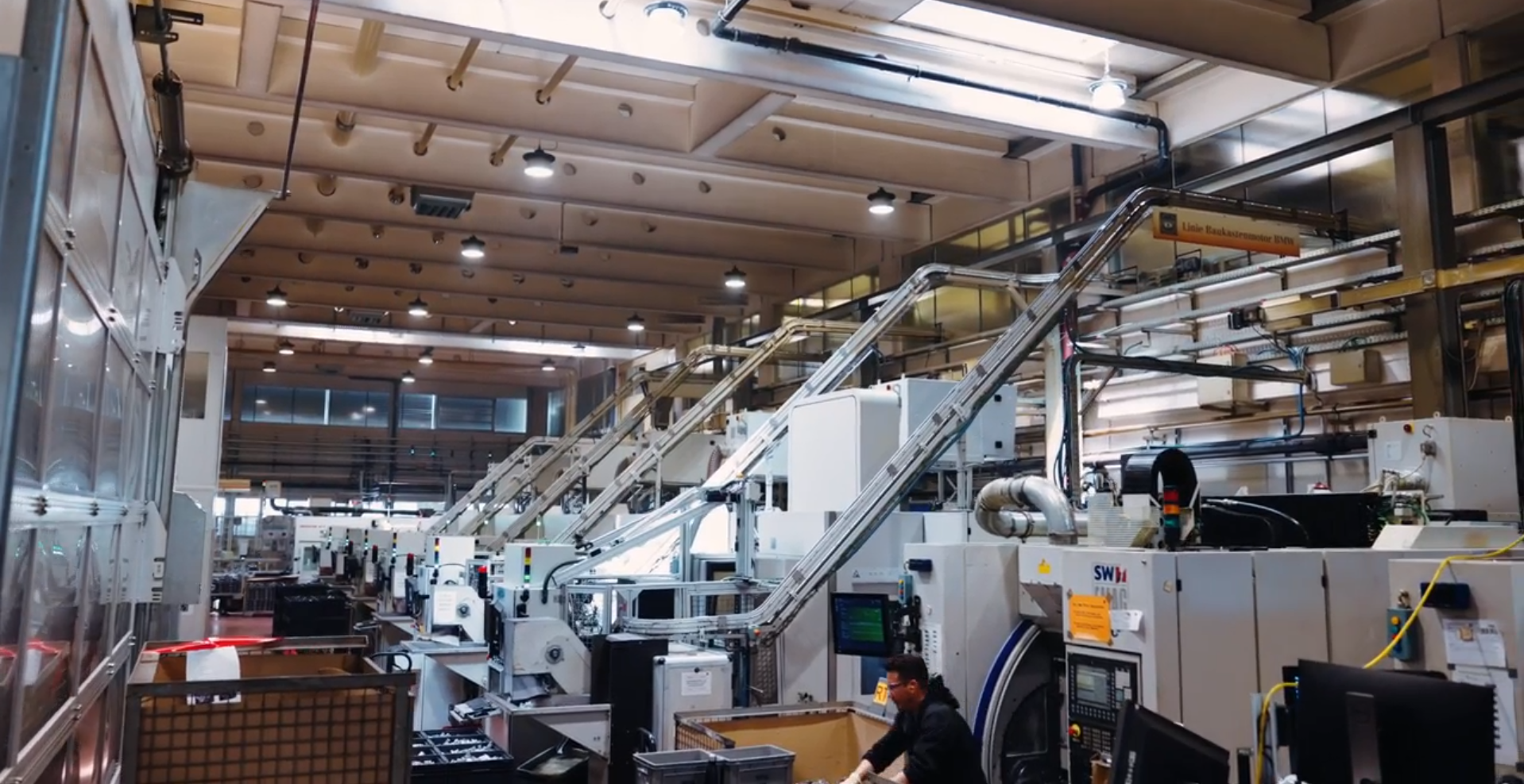
Ergonomics & Operator Support
|
|
|
As facilities move toward more automated operations, material flow becomes even more critical. Even in automated environments, operators still interact with material. Parts often exit machines at low heights, leading to repeated bending. Z-type conveyors elevate parts to a more comfortable working height, reducing strain while keeping material moving.
|
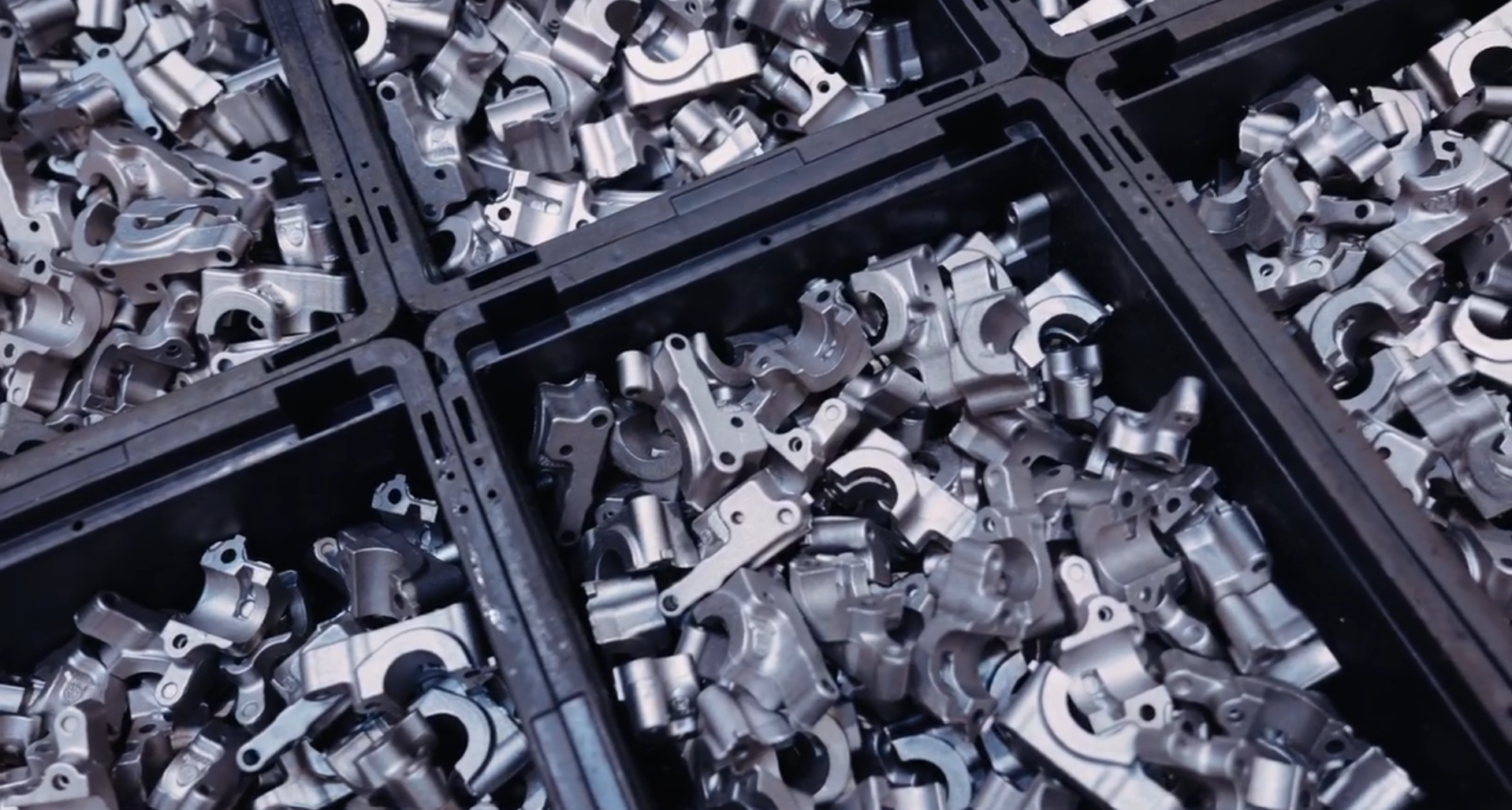
Conveyance Systems for Metals Applications
Different production challenges call for different system types.
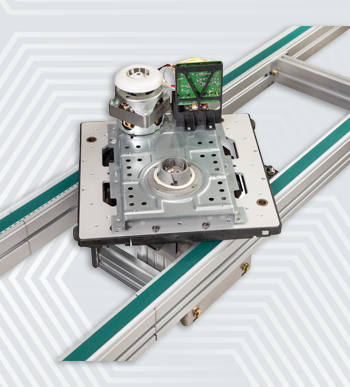
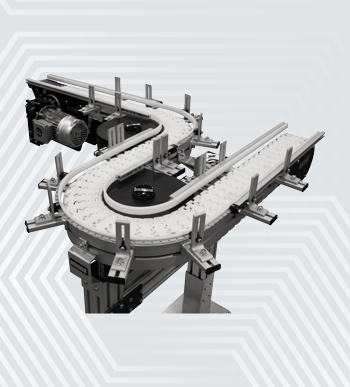
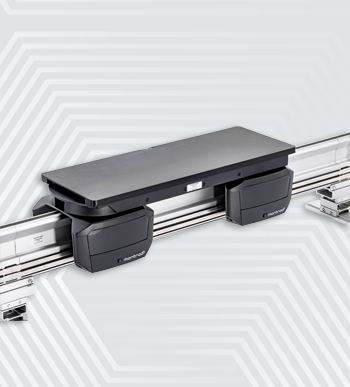
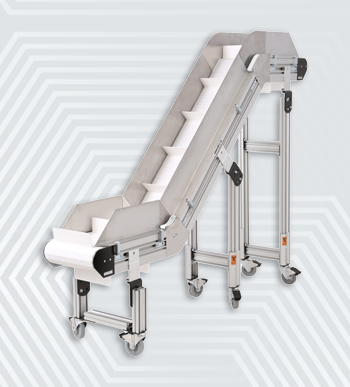
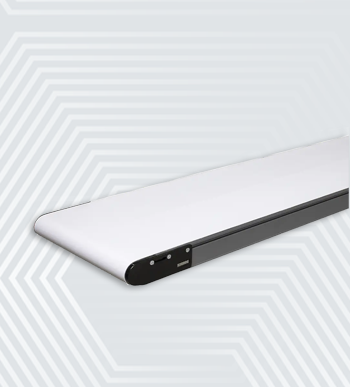
Each system plays a specific role, but all support the same goal: keeping material moving through production without interruption.
Built to Support Connected Production
When conveyance systems align with your process, production becomes more predictable.
Material moves with fewer delays. Operators spend less time handling parts. Automation becomes easier to scale across the facility.
Let's Look at Your Flow
If material isn’t moving consistently through your operation, the issue is often between processes — not within them.