
,fit=pad/contentassets/8c25a81873f3447490ffdc9d9b53f5f5/kito_black.png)
,fit=pad/contentassets/df70ce6ebb1e45bda867f458ffed9e71/harrington_color-logo_light-background_crop.png)
,fit=pad/globalassets/logos/stahl/new-by-cmco/stahl_color-10.11.svg)
,fit=pad/globalassets/logos/yale/new/yale-10.11.svg)
,fit=pad/contentassets/1f4eac3541654db5a396d6c67f7ce0fb/crosby_red_rgb.png)
,fit=pad/contentassets/aa99b2f703284295af4814e40a22bbfc/gunnebo-industries_color-logo_crop.png)
,fit=pad/contentassets/5cd5182b5c724d6199ff77c450920a56/eepos-logo2025_eeblue_crop.png)
,fit=pad/globalassets/logos/magnetek/new/magnetek_wide_color-10.11.svg)
,fit=pad/globalassets/logos/dorner/new/dorner_color-10.11.svg)
,fit=pad/globalassets/logos/montrac/montrac-logo.png)
,fit=pad/globalassets/logos/pfaff/pfaff_color_cmyk_new.png)
,fit=pad/globalassets/logos/duff-norton/new/duff-norton_color-10.11.svg)
,fit=pad/globalassets/logos/garvey/new/garvey_color-10.11.svg)
,fit=pad/contentassets/1be5ec1cbb8e442392f10efd8b5b95a0/2-peerless_color-logo_light-background-crop.png)
,fit=pad/globalassets/logos/cm/new/cm_color-10.11.svg)
,fit=pad/globalassets/logos/acco_color-logo.png)
,fit=pad/globalassets/logos/shaw-box/new/shaw-box_color-10.11.svg)
,fit=pad/globalassets/logos/unified/new/unified_color-10.11.svg)
,fit=pad/globalassets/logos/little-mule/new/little_mule_color-10.11.svg)
,fit=pad/contentassets/b2b82ee821bd43ababced737cb426315/erikkila-only_color-logo_all-black_crop.png)
,fit=pad/globalassets/logos/steerman/new/steerman_color-10.11.svg)
,fit=pad/globalassets/logos/dixie/new/dixie_industries_color-10.11.svg)
,fit=pad/globalassets/brand-landing-pages/airpes/crosby-airpes-logo-2023-tall-web.png)
,fit=pad/globalassets/brand-landing-pages/van-leusden/van-leusden-logo.png)
,fit=pad/globalassets/logos/camlok/new/camlok-10.11.svg)
,fit=pad/globalassets/logos/nutting_color-logo.png)
,fit=pad/globalassets/logos/speedbinders/speedbinders_color-logo.png)
,fit=pad/globalassets/logos/scc/scc-logo3.png)
 North America - EN
,fit=pad/contentassets/8c25a81873f3447490ffdc9d9b53f5f5/kito_black.png)
,fit=pad/contentassets/df70ce6ebb1e45bda867f458ffed9e71/harrington_color-logo_light-background_crop.png)
,fit=pad/globalassets/logos/stahl/new-by-cmco/stahl_color-10.11.svg)
,fit=pad/globalassets/logos/yale/new/yale-10.11.svg)
,fit=pad/contentassets/1f4eac3541654db5a396d6c67f7ce0fb/crosby_red_rgb.png)
,fit=pad/contentassets/aa99b2f703284295af4814e40a22bbfc/gunnebo-industries_color-logo_crop.png)
,fit=pad/contentassets/5cd5182b5c724d6199ff77c450920a56/eepos-logo2025_eeblue_crop.png)
,fit=pad/globalassets/logos/magnetek/new/magnetek_wide_color-10.11.svg)
,fit=pad/globalassets/logos/dorner/new/dorner_color-10.11.svg)
,fit=pad/globalassets/logos/montrac/montrac-logo.png)
,fit=pad/globalassets/logos/pfaff/pfaff_color_cmyk_new.png)
,fit=pad/globalassets/logos/duff-norton/new/duff-norton_color-10.11.svg)
,fit=pad/globalassets/logos/garvey/new/garvey_color-10.11.svg)
,fit=pad/contentassets/1be5ec1cbb8e442392f10efd8b5b95a0/2-peerless_color-logo_light-background-crop.png)
,fit=pad/globalassets/logos/cm/new/cm_color-10.11.svg)
,fit=pad/globalassets/logos/acco_color-logo.png)
,fit=pad/globalassets/logos/shaw-box/new/shaw-box_color-10.11.svg)
,fit=pad/globalassets/logos/unified/new/unified_color-10.11.svg)
,fit=pad/globalassets/logos/little-mule/new/little_mule_color-10.11.svg)
,fit=pad/contentassets/b2b82ee821bd43ababced737cb426315/erikkila-only_color-logo_all-black_crop.png)
,fit=pad/globalassets/logos/steerman/new/steerman_color-10.11.svg)
,fit=pad/globalassets/logos/dixie/new/dixie_industries_color-10.11.svg)
,fit=pad/globalassets/brand-landing-pages/airpes/crosby-airpes-logo-2023-tall-web.png)
,fit=pad/globalassets/brand-landing-pages/van-leusden/van-leusden-logo.png)
,fit=pad/globalassets/logos/camlok/new/camlok-10.11.svg)
,fit=pad/globalassets/logos/nutting_color-logo.png)
,fit=pad/globalassets/logos/speedbinders/speedbinders_color-logo.png)
,fit=pad/globalassets/logos/scc/scc-logo3.png)
,fit=cover/globalassets/blogs/troubleshooting-common-drive-related-elevator-problems/istock-1415908533.jpg)
Troubleshooting Common Drive-Related Elevator Problems
Diagnose and Resolve Common Elevator Performance Issues
Elevator | How To's | Inspection & Maintenance | Power & Motion Technology | By CMCO | Jan 01, 0001
Identify and troubleshoot the five most common elevator drive issues that can impact ride quality, performance, and reliability.
· Recognize the warning signs of elevator drive failure, including poor leveling, rough ride quality, elevator fault codes, unexpected shutdowns, and startup performance issues.
· Troubleshooting techniques to identify root causes and restore reliable elevator operations faster.
An elevator drive is the heart of the system’s motion control and when problems arise, the symptoms can often be felt long before a component fails. Issues such as poor leveling, rough ride quality, recurring fault codes, and unexpected shutdowns are frequent indicators that a drive is not performing as intended. Often, these problems with the elevator drive become apparent during startup or when changes have been made to the system, rather than during normal operation.
Understanding early warning signs can help building owners and contractors address performance issues before they lead to downtime, service disruptions, or costly repairs. In this blog, we’ll explore five of the most common Magnetek® drive-related elevator problems and troubleshooting steps that can help restore reliable performance.
Problem 1: Car/Motor Running in the Wrong Direction
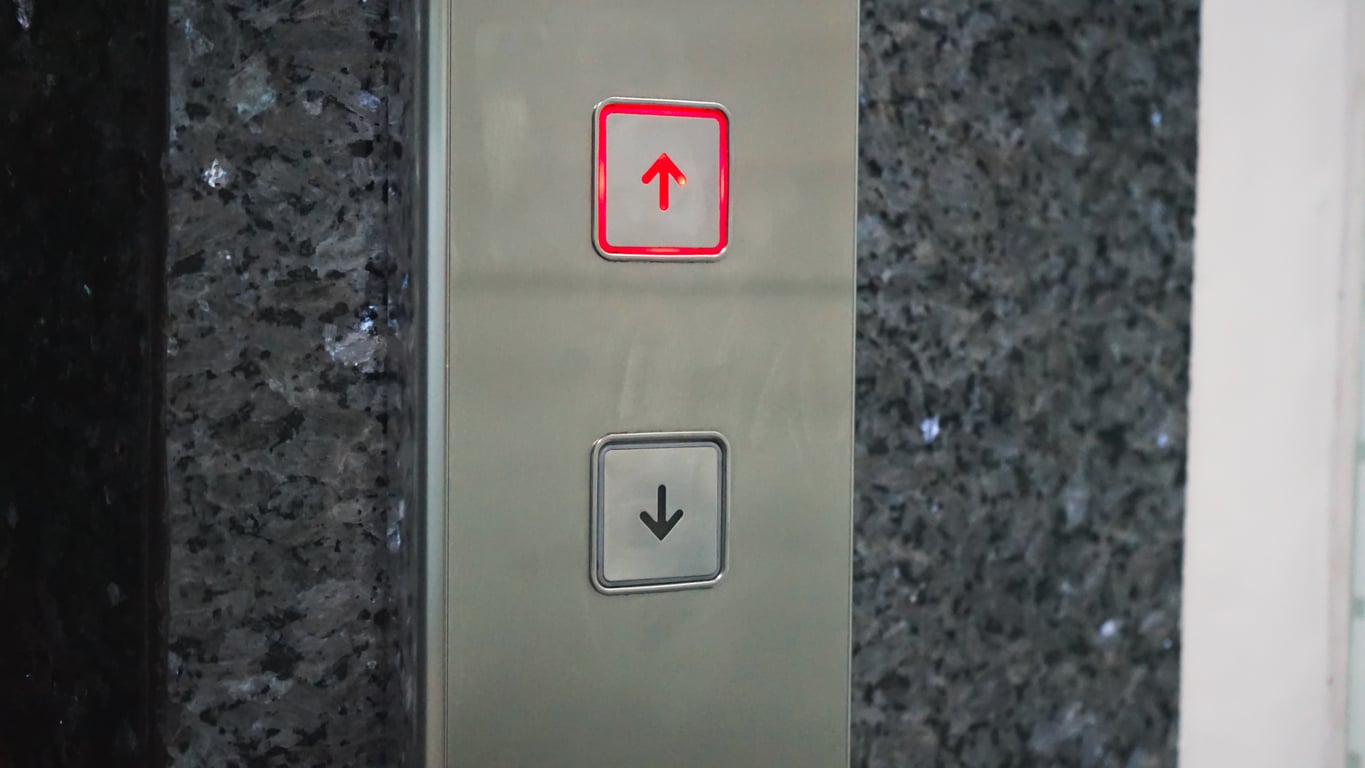
A car or motor running in the wrong direction occurs when the elevator controller commands movement in one direction, but the elevator car travels in the opposite direction, creating a serious operational and safety concern.
Solution: Before making any drive parameter adjustments, start by verifying the control is sending the correct up and down command and verifying motor and encoder wiring. It’s also important to determine if the issue is truly a hoistway direction problem or the result of incorrect encoder feedback or phasing problem.
Problem 2: Encoder Problems/Motor Shakes or Will Not Accelerate
You may be experiencing an encoder feedback issue if the motor shakes or rocks back and forth at low speeds, struggles to accelerate, or rapidly reaches its torque limit. In many cases, the drive may generate “encoder fault” or “hit torque limit” codes indicating that it’s not receiving accurate speed and position feedback from the encoder.
Solution: To resolve encoder-related issues, verify that the drive is programmed with the correct motor data, encoder type, and encoder pulses per revolution (PPR). Next, inspect the encoder wiring, supply voltage, mounting, and coupling to ensure accurate feedback is being transmitted. Proper encoder shielding, grounding, and cable routing should also be confirmed as electrical noise can interfere with encoder signals.
Problem 3: Vibration/Motor Noise/Rough Running[JB2]
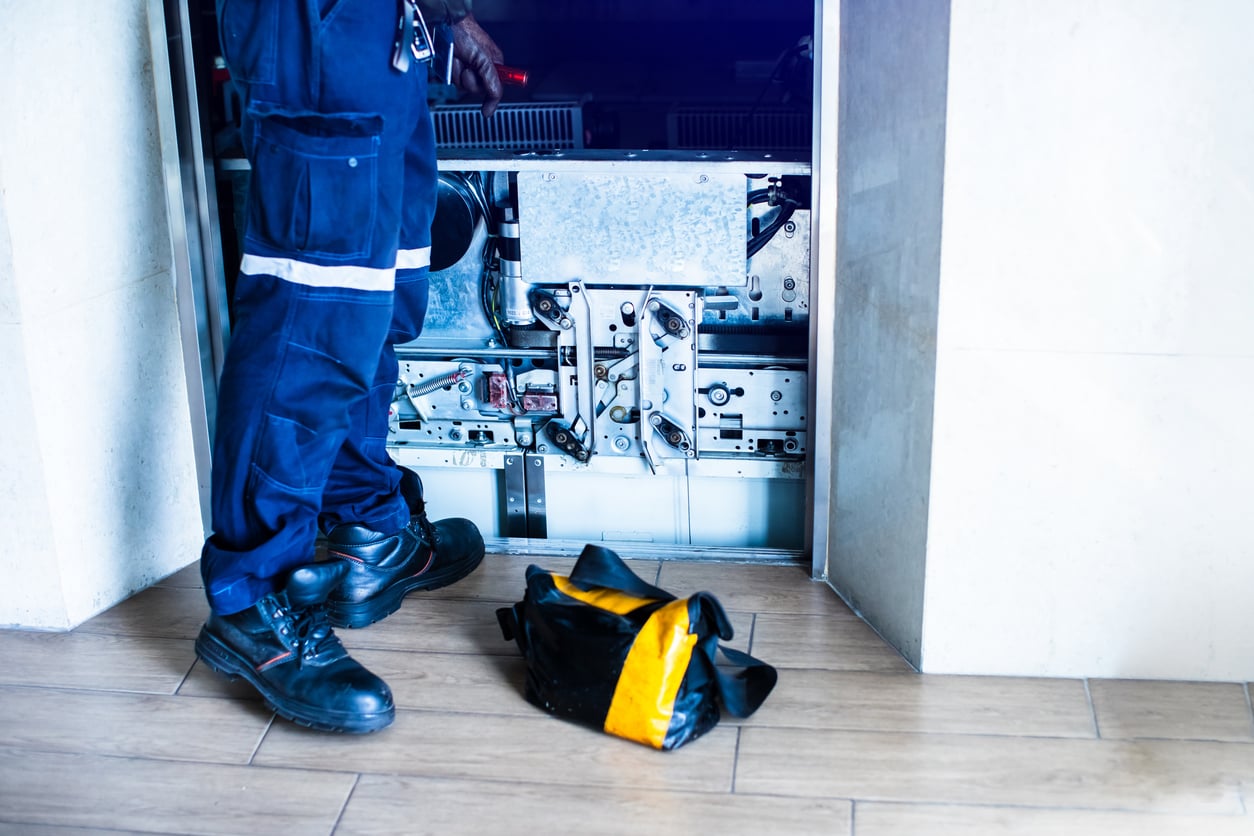
Vibration, motor noise, and irregular running are signs that the elevator drive and motor are not operating smoothly together. Common symptoms include a motor or car that vibrates, shakes, or runs rough, abnormal motor noise, unstable motor current or speed, and vibration appearing only at low or higher speed.
Solution: Begin troubleshooting by verifying motor nameplate data, motor wiring, encoder type, pulses per revolution (PPR), wiring, shielding, grounding, and mounting. Check for obvious mechanical issues with the machine, brake, sheave, coupling, or bearings. For PM motors, confirm proper rotor alignment and encoder angle information before making any tuning adjustments.
Problem 4: Jerk/Bump/Rollback at Start or Stop
Jerk, bump, or rollback at start or stop typically appears when the transition between the brake, motor, and elevator drive is not properly coordinated. This is commonly seen when the elevator runs smoothly but is rough only during start or stop, including the elevator rolling back when the brake lifts or bumps or jerks at takeoff or after stopping.
Solution: Before changing drive parameters, check the mechanical brake first. A brake that releases too early or sets too late can look like a drive tuning problem.
Problem 5: Drive Will Not Run/Contactor Problems
An elevator drive that will not run or contactor problems can prevent the elevator from operating even when the drive appears to be functioning. Common symptoms of this issue include a drive that powers up but will not run, a motor contactor that doesn’t pick, picks then drops, or “contactor FLT” code occurs, or PM alignment or autotune will not start.
Solution: Check the drive for any active faults and correct or clear the fault condition first before any additional troubleshooting. Once the fault has been cleared, verify that it does not immediately return, as recurring faults can prevent the motor from running.
Resolving elevator drive issues often comes down to identifying the true root cause and applying the right corrective action to return to reliable operation. With more than 150,000 elevator drives in operation worldwide and over 40 years of industry expertise, Magnetek’s team provides the application expertise and troubleshooting guidance needed to help contractors and building owners resolve issues quickly and keep elevator systems running efficiently for years to come.
Need help diagnosing an elevator drive-related issue?
Related Articles
,fit=pad/globalassets/industries/elevator/modernization-brochure2.jpg)
Our goal is to help you save energy and money while improving reliability with our energy regenerative controls for new installations and elevator modernization projects. Magnetek brand Elevator Drives will help transform your building into a facility that measures up to modern buildings in functionality, comfort, and energy savings.
,fit=pad/globalassets/industries/elevator/elevator-modernization/dc-elevator-motor.jpg)
DC Motor Evaluation
Start Your Elevator Modernization Project Off Right
Updating older elevator machines to modern technology can significantly reduce energy costs. DC elevator machines that are properly maintained and in good working order can provide excellent ride quality and years of additional service. Preparation is key to ensure that an elevator modernization project is successful.